
What Is Tooth Decay?
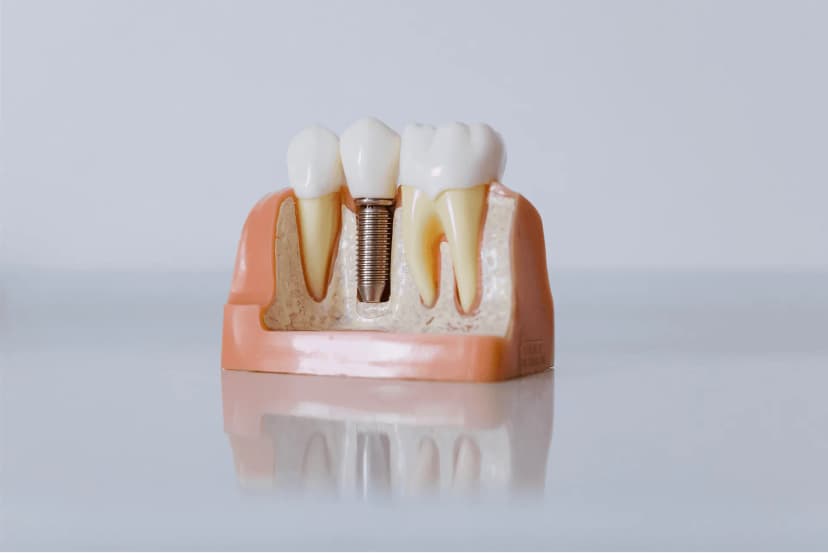
Decay begins in the enamel and, if left untreated, progresses through the dentine and eventually into the pulp (the nerve and blood-vessel tissue). Each stage requires a different treatment.
The Stages of Tooth Decay
Stage 1: Enamel Caries (Early)
- Symptoms: A white or brown spot, usually painless
- Treatment: Fluoride application (remineralisation) or a small filling
- Reversible: Yes, at this stage
Stage 2: Dentine Caries (Moderate)
- Symptoms: Hot/cold sensitivity, mild pain
- Treatment: Filling (composite or porcelain inlay)
- Reversible: No — treatment is required
Stage 3: Pulp Involvement (Advanced)
- Symptoms: Severe throbbing pain, night pain, lingering pain on heat
- Treatment: Root canal treatment and a crown
- Urgency: High — delay can mean losing the tooth
Stage 4: Abscess (Final Stage)
- Symptoms: Severe pain, swelling, fever, pus
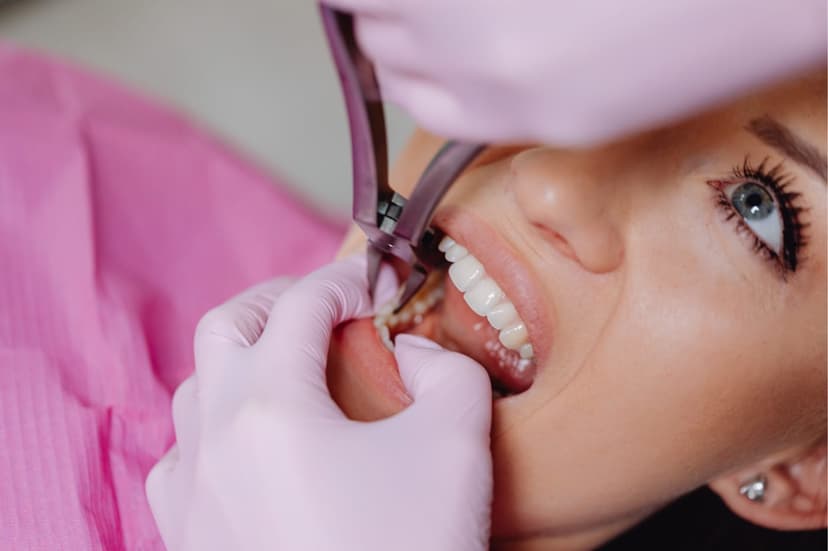
- Treatment: Antibiotics plus root canal treatment or extraction
- Urgency: Emergency — the infection can spread
- See: Dental Abscess Treatment
How to Settle the Pain of a Decayed Tooth
Temporary measures for relief:
- Ibuprofen (400–600 mg): Eases pain and reduces inflammation
- Salt-water rinse: Reduces bacterial load
- Clove oil: A natural, mild anaesthetic (see Tooth Pain Causes and Treatment)
- Cold compress: Apply to the outside of the cheek if there is swelling
Clinical note: These are short-term measures only. Until the decay is treated, the pain will not resolve permanently — it will progress.
Treatment Options by Stage
| Stage of Decay | Treatment | Price (2026) | Time |
|---|---|---|---|
| Early (enamel) | Fluoride / small filling | 800–2,000 TL | 1 visit |
| Moderate (dentine) | Composite filling | 1,500–4,000 TL | 1 visit |
| Large cavity | Porcelain inlay/onlay | 4,000–10,000 TL | 2 visits |
| Pulp involvement | Root canal treatment + crown | 8,000–20,000 TL | 2–3 visits |
| Abscess | Antibiotics + root canal / extraction | 3,000–20,000 TL | 1–3 weeks |
| Non-restorable | Extraction + implant | 12,000–30,000 TL | 3–6 months |
Why Early Treatment Matters
| Early Treatment | Delayed Treatment |
|---|---|
| A small filling is enough | Root canal treatment and a crown needed |
| 1 visit, painless | Multiple visits, painful process |
| 1,500–4,000 TL | 8,000–20,000 TL |
| Tooth is preserved | Tooth may be lost |
| 5 minutes | Weeks to months |
Preventing Tooth Decay
- Brush twice daily — fluoride toothpaste, soft brush, at least two minutes
- Floss once a day — prevents interdental caries
- Dental check-up every 6 months — early detection
- Professional cleaning — once or twice a year
- Limit sugary foods — particularly snacks between meals
- Drink water — prevents dry mouth and rinses bacteria away
- Fissure sealants — protect the grooved surfaces of children's back teeth
References
- Selwitz RH, Ismail AI, Pitts NB. Dental caries. Lancet. 2007;369(9555):51–59. PubMed
- World Health Organization. Global Oral Health Status Report: Towards Universal Health Coverage for Oral Health by 2030. Geneva: WHO; 2022. who.int
- Fontana M, Young DA, Wolff MS, Pitts NB, Longbottom C. Defining dental caries for 2010 and beyond. Dent Clin North Am. 2010;54(3):423–440. PubMed
Concerned about decay in one of your teeth? Early treatment saves the tooth and keeps costs to a minimum. At Derya Dental Clinic in Maltepe we will assess your situation and plan the right treatment together.
📞 0216 572 05 20 💬 WhatsApp appointment
Related Guides
- Types of Dental Fillings — Composite, porcelain and amalgam
- What Is Root Canal Treatment — When decay reaches the pulp
- Root Canal vs Extraction — Choosing the right treatment
- Dental Abscess Treatment — If infection develops
- Tooth Pain Causes and Treatment — Managing the pain
- Dental Scaling — Preventive cleaning
Related Treatment Pages
This content is for informational purposes only and does not replace medical diagnosis or treatment. Please consult a specialist for decisions about your oral and dental health.