
Comparison Table
| Criterion | Root Canal Treatment | Extraction + Implant | Extraction + Bridge |
|---|---|---|---|
| Preserves the natural tooth | Yes | No | No |
| Treatment time | 1–2 visits (1–2 weeks) | 3–6 months | 2–3 weeks |
| Relative cost | Most affordable | 2–3 times higher | Mid-range |
| Success rate | 90–95% | 95–98% | 85–90% (10 years) |
| Bone loss | None | Possible after extraction | Possible |
| Effect on neighbouring teeth | None | None | Adjacent teeth must be reduced (bridge abutments) |
| Pain level | Minimal | Moderate (surgical) | Minimal |
When Is Root Canal Treatment the Answer?
If the tooth is restorable, root canal treatment is the first choice:
- Deep decay where the tooth structure is otherwise sound
- Pulp inflammation (irreversible pulpitis)
- A small infection at the root tip (abscess)
- Nerve damage following trauma
- Decay underneath an existing crown
- Sufficient remaining tooth structure (restorable)
For a detailed walkthrough of the procedure, see What Is Root Canal Treatment.
When Is Extraction the Answer?
In some cases the tooth cannot be saved:
- Advanced vertical root fracture
- Excessive loss of tooth structure (non-restorable)
- Repeated failed root canal treatments together with failed apical surgery
- Advanced periodontal disease (the tooth is very loose)
- Root resorption (dissolution of the root)
- Strategic extraction (required for orthodontic or prosthetic treatment)
Options After Extraction
If extraction is the chosen route, the gap must be filled — otherwise neighbouring teeth drift, the opposing tooth over-erupts and the bone resorbs.
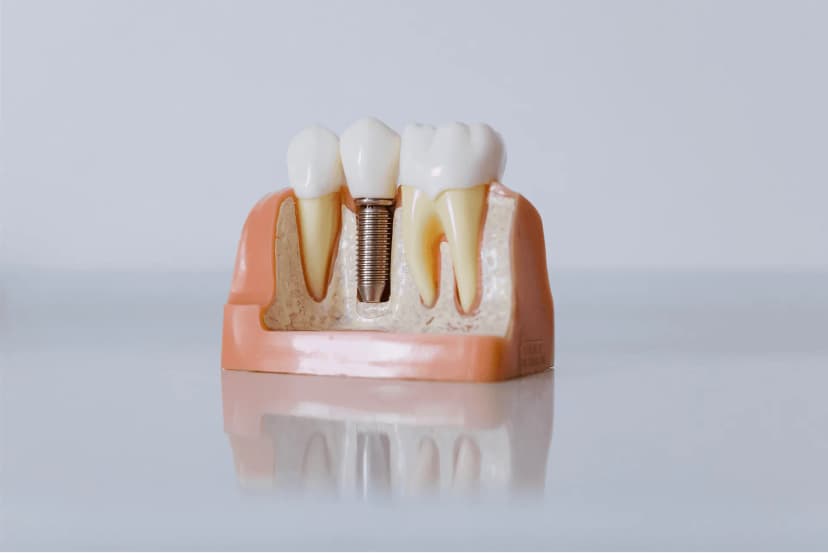
1. Dental Implant
The most permanent and natural solution. Read more about implant treatment.
2. Bridge
A fixed prosthesis that closes the gap by anchoring to adjacent teeth. The neighbouring teeth must be prepared (reduced).
3. Removable Denture
The most economical but least comfortable option. Usually chosen as a temporary solution.
Can an Infected Tooth Be Extracted?
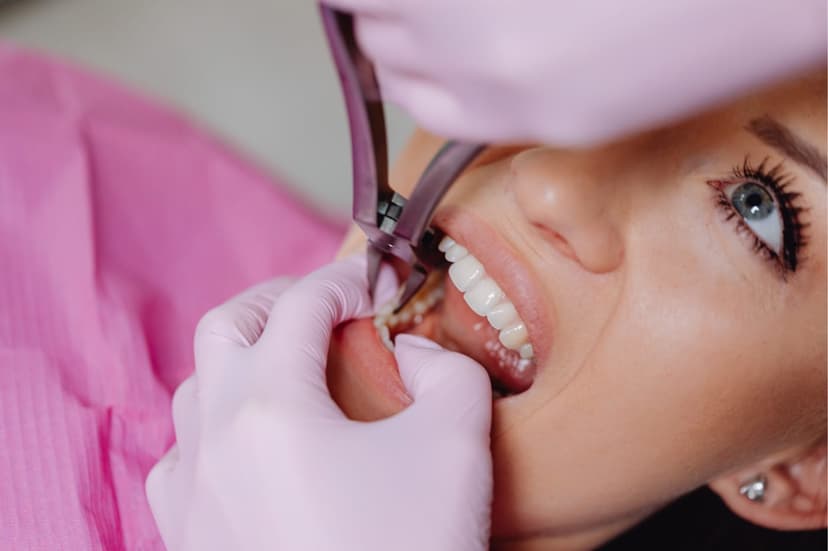
Extracting an infected (abscessed) tooth requires special care. Here is what you need to know.
In Acute Infection
When there is active abscess and swelling, extraction is usually postponed:
- Antibiotic therapy is started first (typically 5–7 days)
- The swelling and infection are brought under control
- The abscess is drained if necessary
- Once the infection is controlled, extraction or root canal treatment is planned
Why Not Extract Straight Away?
- Local anaesthesia is less effective in infected tissue (the acidic environment neutralises the anaesthetic agent)
- There is a risk of spreading the infection during surgery
- Bleeding control is more difficult
- Healing takes longer
Antibiotics for an Infected Tooth
When antibiotics are needed:
- Swelling of the face or neck
- Fever (above 38°C)
- Difficulty opening the mouth
- An infection at risk of spreading
When antibiotics are not needed:
- Toothache only (no signs of infection)
- A small localised abscess (treatable with root canal treatment)
Clinical note: Antibiotics alone do not cure the infection — they only help control it. The definitive treatment is root canal treatment or extraction. Avoid using antibiotics unnecessarily.
Why Preserving the Natural Tooth Matters
- Bone is preserved — the natural root stimulates the jawbone; bone resorbs after extraction
- Natural sensation — no prosthesis can fully reproduce the feel of a natural tooth
- Cost advantage — root canal treatment plus a crown is 2–3 times less expensive than extraction plus an implant
- Time advantage — completed in 1–2 weeks; an implant takes 3–6 months
- Adjacent teeth are protected — sound teeth do not need to be reduced for a bridge
Related Guides
- What Is Root Canal Treatment (Pillar) — Comprehensive treatment guide
- Pain After Root Canal Treatment — What's normal and when to worry
- Dental Abscess Treatment — Signs and management of infection
- Tooth Pain Causes and Treatment — General pain management
- Dental Implants — After-extraction options
- What Is Endodontics? — The root canal specialty
Related Treatment Pages
This content is for informational purposes only and does not replace medical diagnosis or treatment. Please consult a specialist for decisions about your oral and dental health.