
What Does "Turkey Teeth Gone Wrong" Actually Mean?
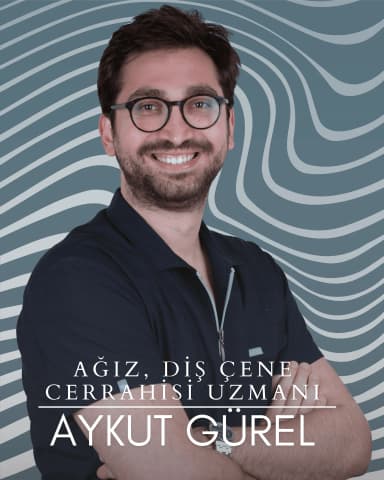
✍️ Authored by: Spec. Dt. Aykut Gürel — Oral & Maxillofacial Surgeon, founder of TrueLine Surgical and lead clinician at Derya Klinik, Istanbul (Anatolian side).
Why Do "Turkey Teeth" Go Wrong?
In my experience reviewing cases, almost every "gone wrong" result traces back to one or more of these causes — and none of them are unique to Turkey. They happen anywhere a clinic prioritises volume over planning:
- Crowns on healthy teeth. Crowns are faster to place across a full smile and more forgiving of crooked teeth, so a high-throughput clinic may default to crowning healthy teeth rather than doing the more delicate work of veneers or orthodontics first. This is the single biggest cause.
- No diagnosis, just a "smile package." Treatment is sold as a fixed bundle ("20 crowns in 5 days") before anyone has assessed whether your teeth and gums are actually healthy enough for it.
- Rushed timelines. Irreversible preparation and final fitting compressed into a few days leaves no room to correct the bite, margins or shade.
- No single accountable clinician. Different dentists handle different stages, so when something fails six months later, no one owns the result.
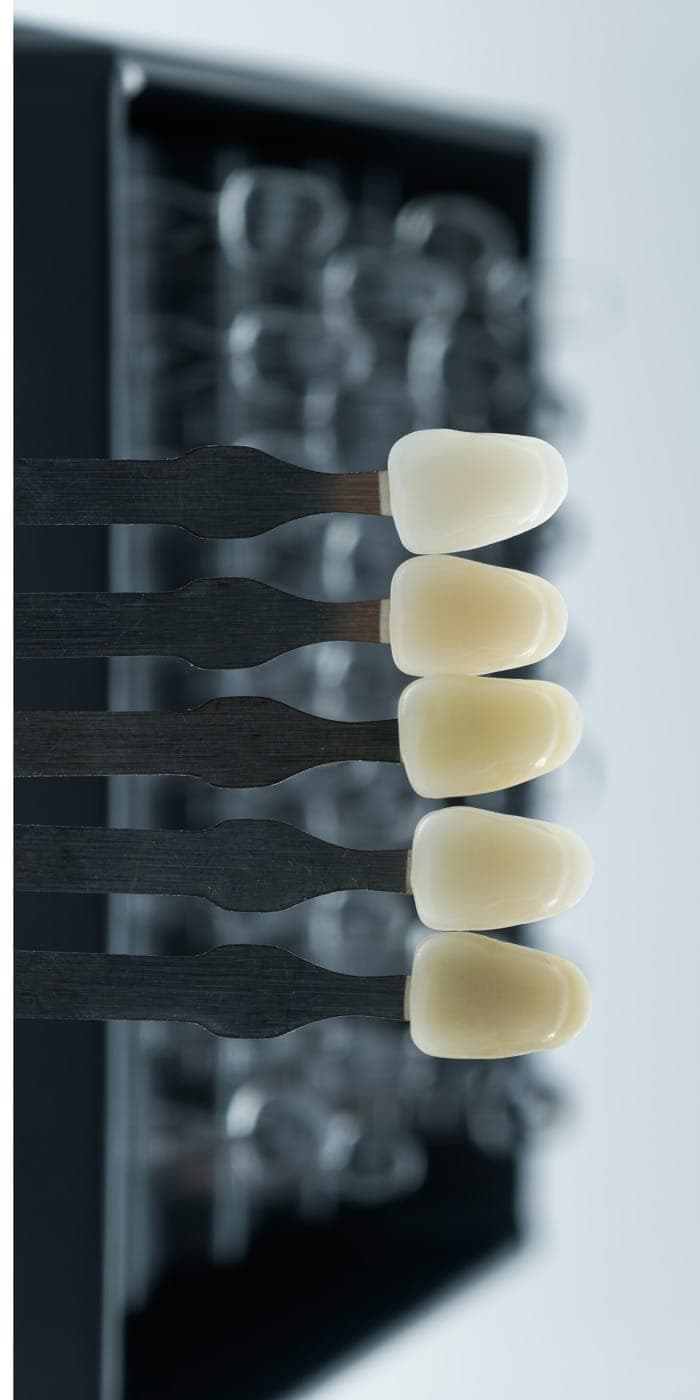
- Shade chosen for the camera, not the face. An ultra-white BL shade can look dramatic in photos but unnatural in person — and once the teeth are prepared, changing it means redoing everything.
The Most Common Problems
| Problem | What causes it | Why it matters |
|---|---|---|
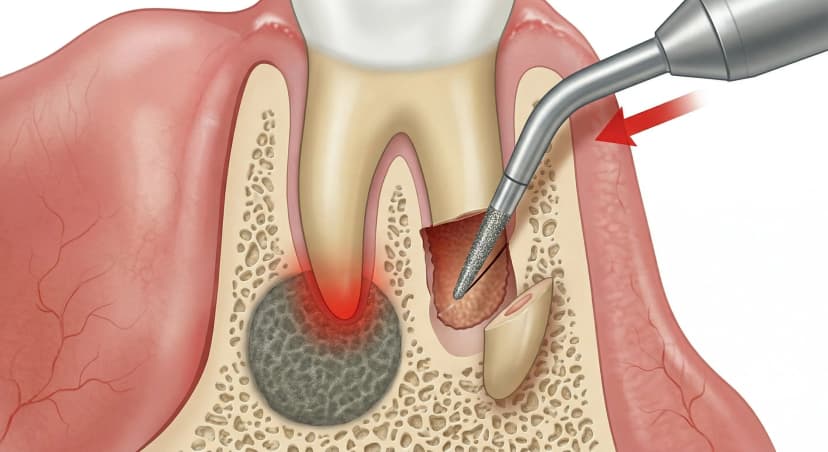
| Nerve damage / dying teeth | Over-aggressive crown preparation on healthy teeth exposes or overheats the pulp | May require root canal treatment or extraction later |
| Sensitivity & pain | Too much enamel/dentine removed | Ongoing discomfort with hot/cold |
| Gum recession & inflammation | Crown margins placed too deep or poorly fitted | Black lines at the gum, bleeding, bad breath |
| Secondary decay | Gaps at poorly fitting margins trap bacteria | Decay under the crown, often unnoticed until painful |
| Bite (occlusion) problems | Restorations fitted without adjusting how teeth meet | Jaw pain, chipping, headaches |
| Shade regret | Over-white shade chosen without a mock-up | Looks "fake"; cannot be changed without redoing the work |
According to PubMed-indexed research by Edelhoff & Sorensen, a metal-ceramic crown removes 4.3 times more tooth structure than a facial veneer — quantifying exactly why the veneer-vs-crown decision is the heart of this issue (DOI).
It's Not "Turkey" — It's the Clinic You Choose
This deserves to be said plainly, because the headlines are misleading. Turkey has one of the most regulated dental markets in Europe — every clinic is licensed by the Ministry of Health, and the country trains excellent specialists, including oral and maxillofacial surgeons. People fly here for genuinely good reasons: real cost savings (50–70%) on the same materials and brands, and access to experienced clinicians.
The cases that "go wrong" are a clinic-selection problem, not a country problem. The same over-treatment happens in the UK, the US and across Europe wherever a practice runs on volume. Choosing well is what protects you — and that is entirely within your control.
How to Choose a Clinic That Won't Go Wrong
Use this checklist before you book anywhere — in Turkey or at home:
✅ Green flags
- A clinician reviews your photos and X-rays first and gives a diagnosis — not just a price for "20 crowns".
- They recommend the least invasive option (veneers, or even orthodontics/whitening) where your teeth allow it, and explain why.
- One named clinician is accountable for your whole case.
- You get a digital smile design mock-up to approve the shape and shade before any irreversible work.
- A written estimate that states the material, brand and number of teeth.
- Clear aftercare and guarantee terms, and a way to reach the clinic after you fly home.
🚩 Red flags
- A fixed "smile package" quoted before anyone has examined you.
- Pressure to crown healthy teeth when you asked about veneers.
- A price so low it can only mean rushed work or unnamed materials.
- No mock-up, no X-ray review, no single point of contact.
- Unwillingness to tell you how much tooth will be removed.
💬 The one question that protects you most: "Are you preparing my teeth for veneers or crowns — and exactly how much of my natural tooth will be removed?" A clinic that answers clearly and conservatively is one you can trust. — Dr. Aykut Gürel
What We Do Differently
We are deliberately a surgeon-led boutique clinic, not a high-volume tourism factory. That model exists specifically to avoid everything described above:
- Every case is planned and reviewed by one accountable team — for implant cases, by me personally.
- Conservative by default — we recommend veneers over crowns wherever the teeth allow it, and we will tell you when you don't need treatment.
- Diagnosis before any package — we review your panoramic X-ray or CBCT scan and photos, and share a written EUR / GBP estimate, before you commit to anything.
- You approve the smile first — digital mock-up of shape and shade before irreversible work.
- No high-pressure sales. Four dentists at B2 English, with translation support, and 12 months of follow-up after you go home.
If your case is complex — bone loss, full-mouth rehabilitation, or jaw concerns — surgeon-led care matters most, because the planning and the surgery are done by the same specialist. Learn more about Dr. Aykut Gürel.
Can "Turkey Teeth Gone Wrong" Be Fixed?
Often, yes — but prevention is far better than revision. Depending on what happened:
- Over-prepared or failing crowns can sometimes be replaced with well-fitted new restorations once the underlying teeth and gums are assessed.
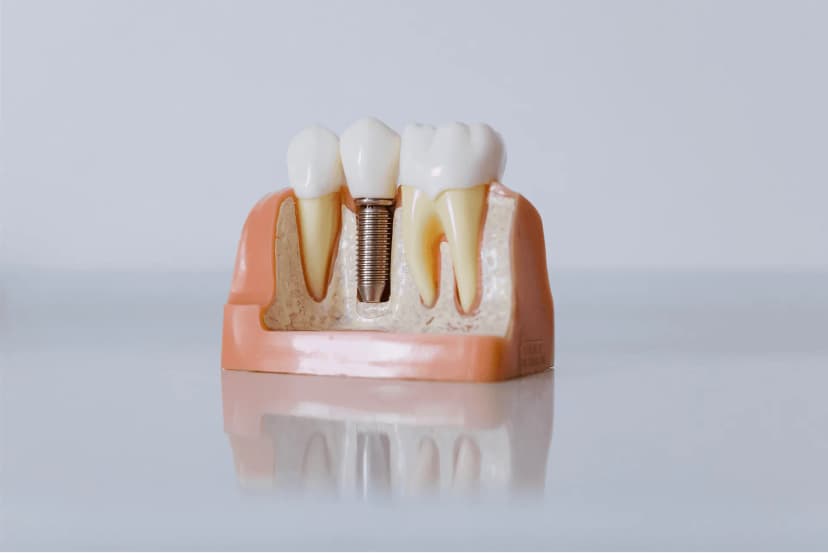
- Nerve-damaged teeth may need root canal treatment to be saved, or extraction and an implant if they cannot.
- Gum problems are treated first, before any new cosmetic work.
- An over-white shade can be redone in a more natural tone — though this means new restorations, which is exactly why getting it right the first time matters.
Revision work is more complex and more expensive than doing it correctly once. If you already have a result you are unhappy with, send us your photos and X-rays and we will give you an honest assessment of what can realistically be improved.
Academic References
- Edelhoff D, Sorensen JA. Tooth structure removal associated with various preparation designs for anterior teeth. J Prosthet Dent. 2002;87(5):503-509. PubMed · DOI
- Alenezi A, Alsweed M, Alsidrani S, Chrcanovic BR. Long-Term Survival and Complication Rates of Porcelain Laminate Veneers in Clinical Studies: A Systematic Review. J Clin Med. 2021;10(5):1074. PubMed · DOI
Last updated: 29 May 2026 — Authored and clinically reviewed by Spec. Dt. Aykut Gürel, Oral & Maxillofacial Surgery.
Related Guides
- Turkey Teeth Explained — what they are, veneers vs crowns, cost
- Laminate Veneers Istanbul — the conservative option
- Zirconia Crowns Istanbul — when crowns are genuinely needed
- Dental Implants Turkey — for teeth that cannot be saved
- Dental Tourism Istanbul — how a surgeon-led visit works
Worried about getting it wrong — or already have a result you're unhappy with? Send us your photos and X-rays and we'll give you an honest, written assessment with no pressure to proceed. We recommend the least invasive option that works — and we'll tell you if you don't need treatment at all. Contact us or learn more on the dental tourism page.
Related Treatment Pages
This content is for informational purposes only and does not replace medical diagnosis or treatment. Please consult a specialist for decisions about your oral and dental health.