Implant Treatment · Istanbul
Dental Implant Treatment: Permanent Solution, Natural Appearance
A dental implant is a permanent and natural-looking treatment that replaces missing teeth by placing a titanium screw into the jawbone. At our clinic in Maltepe, Istanbul, implant treatment is performed using digital planning technology and over 10 years of surgical experience, restoring both the aesthetics and function of natural teeth. With proper planning, implants can last a lifetime, offering the most reliable solution for missing teeth.
3,000+
Implants Placed
95-98%
Success Rate
Digital
Guided Planning
10+
Years Experience
Contents
On This Page
Jump to any section on this page.
- 01What Is a Dental Implant?
- 02Who Can Get Dental Implants?
- 03How to Prepare
- 04How Is Treatment Performed?
- 05Same-Day Implants
- 06Implant Types & Options
- 07Insufficient Bone
- 08Long-Term Tooth Loss
- 09Advanced Bone Loss Solutions
- 10Implant vs. Bridge
- 11Care & Longevity
- 12Personalized Planning
- 13Before & After Gallery
- 14Why Derya Dental?
- 15Dental Implant Prices 2026
- 16Frequently Asked Questions
- 17Implant Guides
Definition
What Is a Dental Implant?
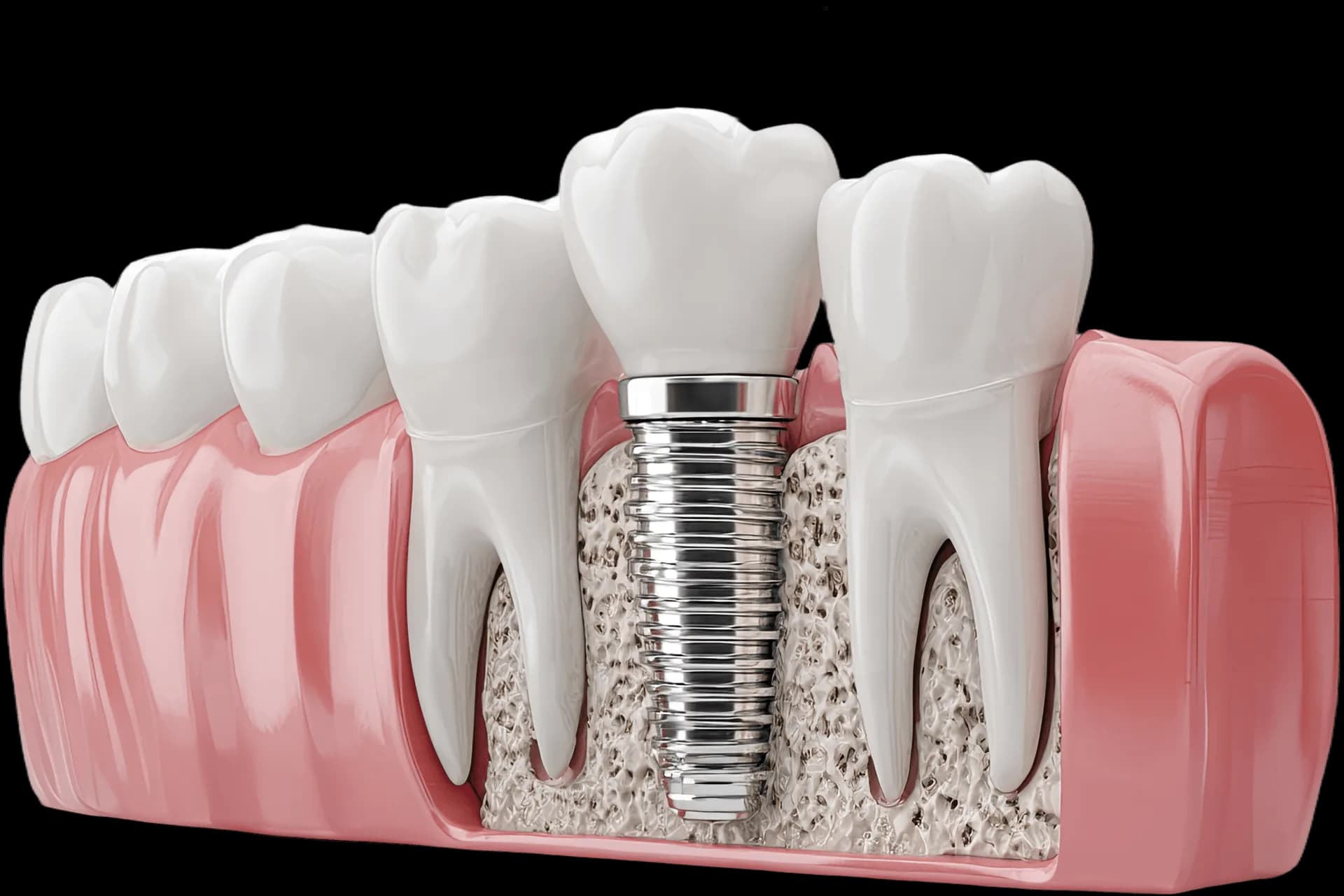
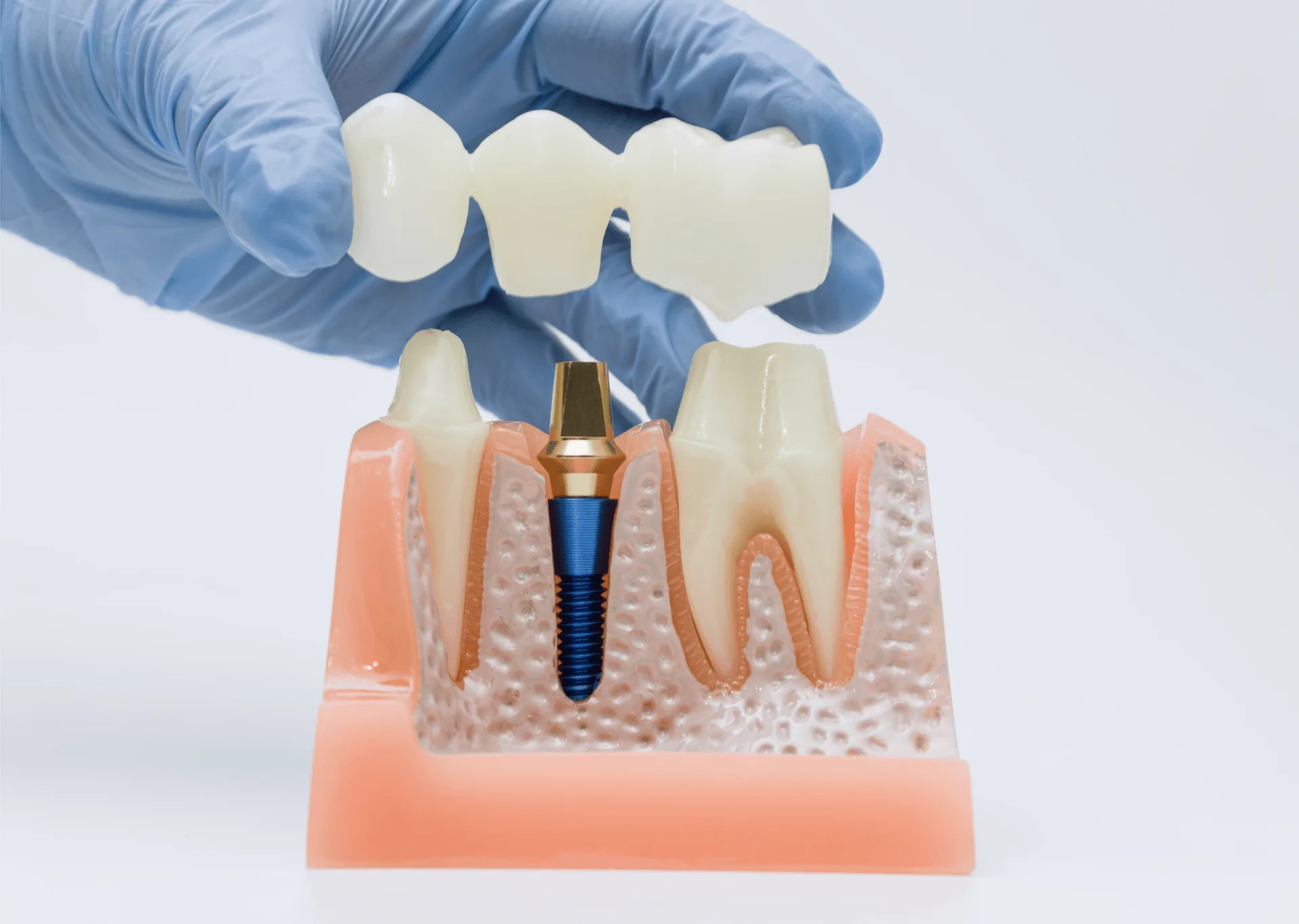
Implant Components: Screw, Abutment & Crown
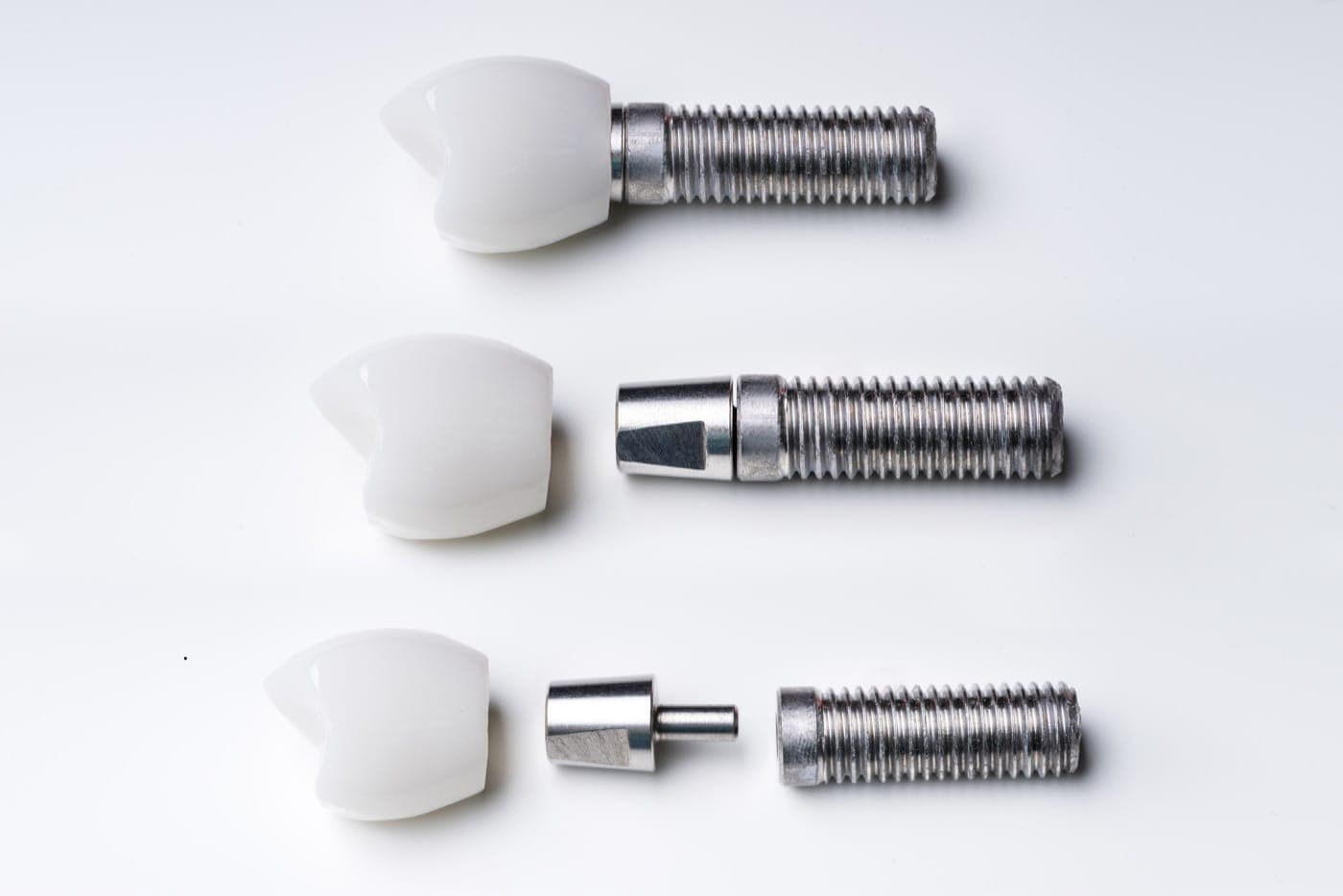
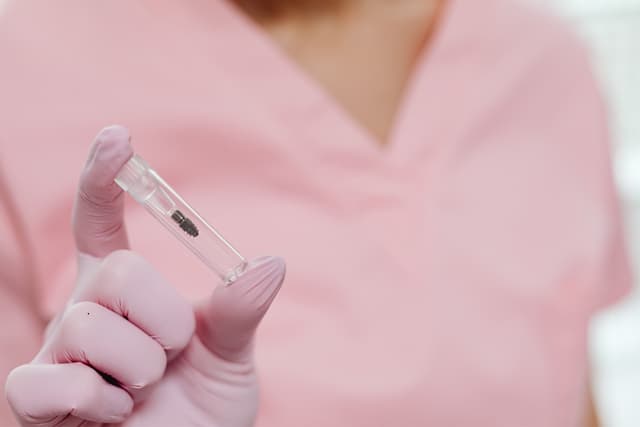
A dental implant is a three-part system consisting of a titanium screw (implant body) placed into the jawbone, a connector piece (abutment) attached to the screw, and a prosthetic tooth (crown) mounted on top. Each component mimics a layer of the natural tooth.
Osseointegration: Bone Fusion
Because titanium is a biocompatible metal, it naturally fuses with the jawbone. This process is called osseointegration and enables the implant to form a solid foundation, just like a natural tooth root. The global success rate of implant treatment ranges from 95% to 98%.
Implant Materials & Safety
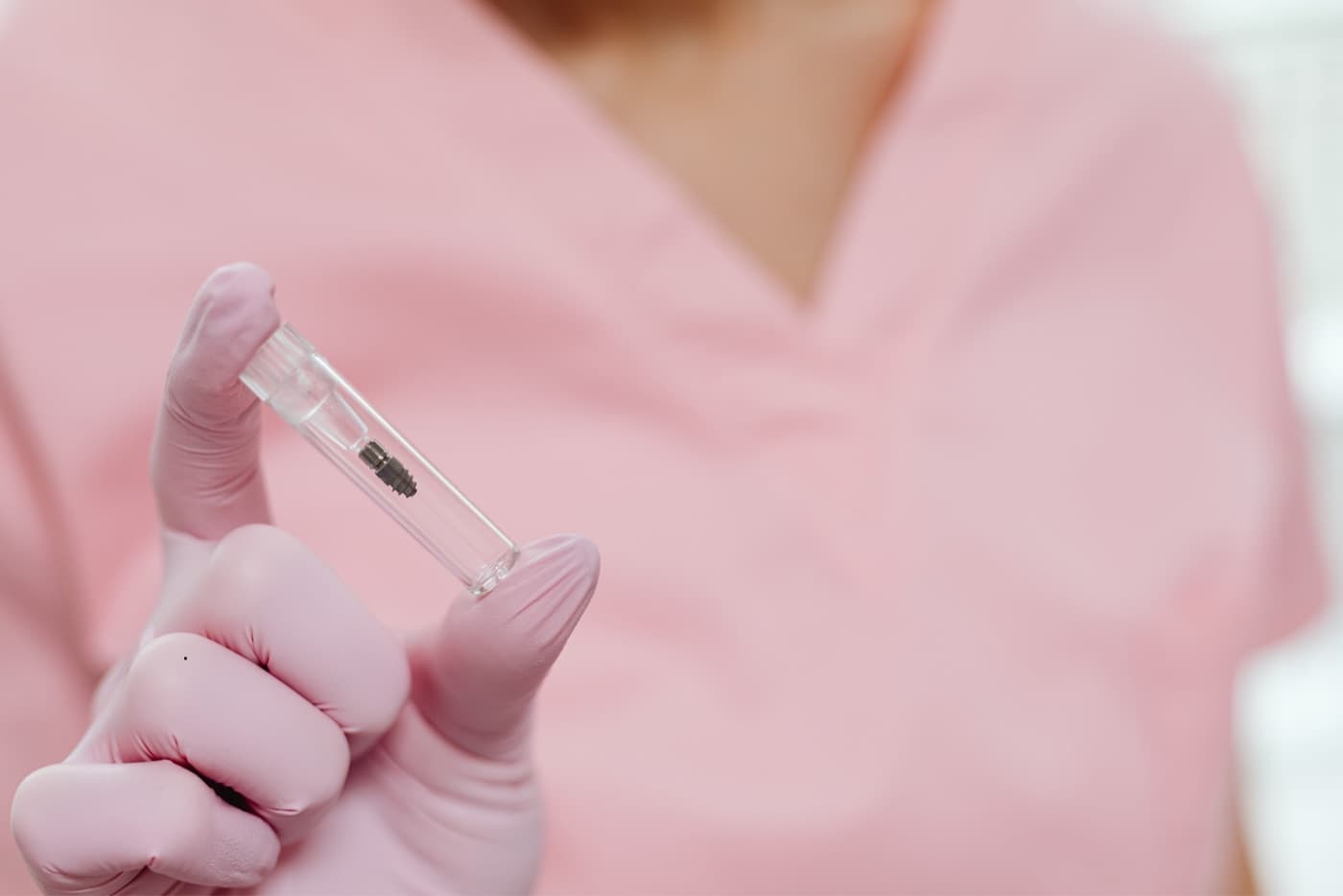
Modern implants are manufactured from biocompatible materials such as titanium or zirconia. These materials are approved by international health authorities (FDA, CE) and the risk of allergy is extremely low. For detailed information about the implant brands used at our clinic, see our Implant Types & Brands guide.
What Happens After Tooth Loss?
When a missing tooth is left untreated, the jawbone in that area begins to resorb; over time, this leads to facial collapse and a prematurely aged appearance. Adjacent teeth drift into the empty space, opposing teeth over-erupt, and the bite becomes misaligned. This cascading effect can cause chewing difficulties, temporomandibular joint problems, and the need for more extensive treatment.
A dental implant is the only permanent solution that halts bone resorption and takes over the function of the natural tooth root. Unlike a bridge or full denture, it does not damage adjacent teeth and helps preserve the jawbone structure.
Suitability
Who Can Get Dental Implants?
Suitable Patient Profile
Nearly anyone in good general health whose jaw growth is complete (over 18 years old) and who maintains proper oral hygiene can receive dental implants. There is no upper age limit for implant treatment; we have successfully placed implants in patients over 70-80 years old. For older patients, a general health assessment is performed and the treatment plan is personalized accordingly.
Find Your Situation
| Your Situation | Eligible for Implants? | Additional Info |
|---|---|---|
| Single missing tooth, good general health | Yes, standard procedure | Most common application |
| Multiple missing teeth | Yes, multiple implants or bridge | Strategic planning optimizes cost |
| All teeth missing or wearing dentures | Yes, fixed teeth with All-on-4/6 | Same-day temporary teeth in most cases |
| Diabetic patient (controlled) | Yes, with additional precautions | HbA1c must be below 7 |
| Insufficient bone | Yes, with grafting | Bone graft or sinus lift performed first |
| Smoker | Yes, but risk increases | Quitting 2 weeks before treatment is recommended |
| Taking blood thinners | Yes, with adjustments | Medication adjustment coordinated with your physician |
| Under 18 years old | Not yet | Can be performed after jaw development is complete |
This table is for general informational purposes. Definitive eligibility is determined through a clinical examination.
Conditions Requiring Special Attention
Patients with uncontrolled diabetes, severe heart disease, those undergoing osteoporosis treatment, and heavy smokers require a thorough evaluation before implant treatment. These conditions do not make treatment impossible; however, they may necessitate additional precautions or modifications to the treatment plan.
For detailed information, read our Who Can — and Who Cannot — Get Implants? and Smoking & Dental Implants articles.
Bone Deficiency Is Not a Barrier
For patients with insufficient jawbone, bone grafting or sinus lift techniques can augment bone volume to enable implant placement. During the consultation, your bone status is assessed with 3D tomography and a personalized treatment plan is created.
Preparation
How to Prepare for Implant Treatment
Pre-Treatment Steps
Certain preparatory steps are important for the success of implant treatment. If you smoke, it is recommended to quit or reduce smoking at least 2 weeks before the procedure; learn about the effects of smoking on implants in our detailed guide. If you take blood thinners, inform your dentist; some medications may need to be temporarily discontinued. Achieving good oral hygiene before treatment accelerates the healing process.
What Happens During the Consultation?
At our Maltepe, Istanbul clinic, the initial consultation includes panoramic X-rays and 3D CBCT scans. The jawbone density, condition of adjacent teeth, and position of nerve canals are thoroughly evaluated. Based on this data, a personalized treatment plan with estimated timeline and cost is provided.
Process
How Is Implant Treatment Performed?
Consultation & Digital Planning
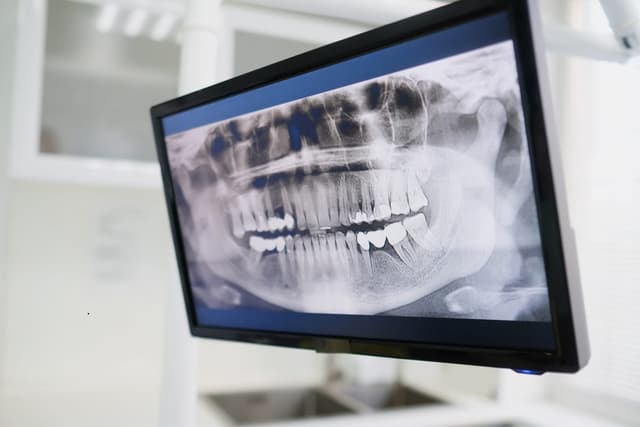
Your jaw structure is thoroughly examined using panoramic X-rays and 3D CBCT scans. We review the images together on screen, providing clear information about your bone density, the position of nerve canals, and the implant site. At this stage, your treatment timeline, steps, and estimated costs are determined.
Bone Assessment & Preparation
The volume and quality of the jawbone are evaluated. If bone is adequate, we proceed directly to surgery. In cases of insufficiency, bone grafting or sinus lift procedures are planned — this additional step is critical for the long-term success of your implant.
Surgical Implant Placement
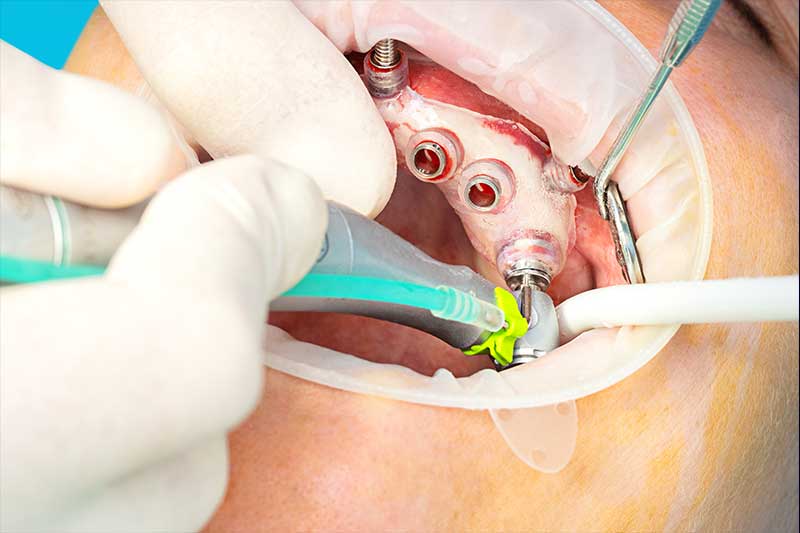
Under local anesthesia, the titanium implant is placed into the jawbone. When a digital surgical guide is used, the procedure typically takes just 20-40 minutes, and in most cases, sutures are not even needed. You return home the same day.
Healing: Osseointegration
During osseointegration, the implant fuses with the jawbone. This process typically takes 2-4 months, or 4-6 months if bone grafting was performed. You can use a temporary tooth throughout the healing period; your daily life is not interrupted.
Permanent Prosthesis & Final Result
Once healing is complete, a digital impression is taken and a custom porcelain or zirconia crown is fabricated. The color and shape are designed to match your natural teeth. When the permanent tooth is placed, the result is virtually indistinguishable from a natural tooth.
What Does Digital Planning Do for You?
At our clinic, a digital surgical plan is created from 3D tomography data before implant placement. This planning process directly improves your experience:
- Shorter surgical time — because the implant position and angle are predetermined, the procedure can be completed in as little as 20-30 minutes
- Less incision and swelling — with a surgical guide, the procedure is often performed without cutting the gingiva
- More predictable outcomes — placement planned with millimetric precision improves both aesthetic and functional results
- Safer surgery — nerve canals and adjacent tooth roots are digitally mapped, reducing complication risk
- You see your treatment plan in advance — we review the steps of your treatment together on screen during the planning phase
Anesthesia & Sedation Options
Implant surgery is performed under local anesthesia as standard, and no pain is felt during the procedure. For patients with dental anxiety or longer procedures, conscious sedation (oral or intravenous) can be administered. Under sedation, the patient remains awake but feels relaxed and calm. General anesthesia is reserved for rare cases requiring extensive surgery. For detailed information about pain management during and after treatment see our guide.
Flapless (Sutureless) Implant Option
In suitable cases, implant placement can be performed without incisions or sutures using a digital surgical guide. This technique shortens healing time and minimizes swelling and discomfort. For detailed information, see our Flapless Implant Treatment guide.
What to Expect During Recovery
Mild swelling and sensitivity are normal during the first 48 hours after surgery. The medications prescribed by your dentist ensure a comfortable recovery. For a week-by-week detailed recovery guide, see our Post-Implant Recovery article.
Same-Day
Same-Day Implants & Temporary Teeth: Is It Possible?
One of the most common questions from patients experiencing tooth loss is “Can I get teeth the same day?” With today's technology, both implant placement and temporary tooth attachment can be performed in a single session for suitable cases. However, this is not applicable to every patient — specific clinical conditions must be met for success.
What Is an Immediate Implant?
An immediate implant is the placement of an implant into the same socket immediately after tooth extraction. In the conventional approach, a 2-3 month healing period is observed after extraction before implant placement. Immediate implants eliminate this waiting period. Advantages include: fewer surgical sessions, less bone loss thanks to preservation of the extraction socket, and a shorter overall treatment time. Learn more about immediate implants in our detailed guide. However, this approach requires no active infection at the extraction site, intact socket walls, and adequate bone support.
What Is Immediate Loading?
Immediate loading refers to attaching a temporary tooth or prosthesis on the same day the implant is placed. It should not be confused with immediate implant: immediate implant means placing the implant at the time of extraction, while immediate loading means loading a tooth onto the implant the same day. Both can be performed together but are distinct concepts. Immediate loading is particularly common for single anterior tooth loss and All-on-4 full-arch cases — the patient never goes without teeth.
Is It Suitable for Every Patient?
No. Same-day teeth require the following conditions to be met:
- Adequate bone density and volume
- Primary stability of at least 35 Ncm torque
- No active infection at the extraction site
- Absence of bruxism (teeth grinding) habits
- Adequate oral hygiene
These conditions are evaluated during the consultation at our clinic. For patients who do not meet the criteria, the conventional two-stage protocol is followed — a temporary removable prosthesis can be used during the healing period.
Why Is Primary Stability Important?
Primary stability is the mechanical holding force achieved by the implant within the bone at the time of placement, measured in Newton-centimeters (Ncm). High primary stability (≥35 Ncm) means the implant will remain securely fixed during the osseointegration process. This value is a prerequisite for immediate loading — loading with low stability increases the risk of implant failure. At our clinic, the torque value is measured during implant placement; if adequate stability is achieved, a temporary tooth is attached the same day; otherwise, the healing protocol is followed.
Options
Dental Implant Types & Treatment Options
Which Solution for Which Situation?
| Your Situation | Recommended Solution | Estimated Duration |
|---|---|---|
| Single missing tooth | Single implant + individual crown | 2-4 months |
| 2-3 adjacent missing teeth | 2 implants + bridge prosthesis | 2-4 months |
| Multiple missing teeth in the posterior region | Multiple implants + bridge | 3-5 months |
| Upper jaw, many missing teeth + bone loss | Sinus lift + implants | 5-8 months |
| Completely edentulous upper or lower jaw | All-on-4 or All-on-6 | Same-day temporary teeth |
| Dissatisfied with removable dentures | Implant-supported fixed prosthesis | 2-4 months |
Single Tooth Implant
The most common application, single tooth implant involves placing one implant to replace a single missing tooth, topped with an individual crown. Unlike a bridge, it does not require altering adjacent teeth; each tooth remains independent and healthy. It is the ideal solution for patients who have lost a single tooth while the neighboring teeth are intact. For a comparison of implant brands used, see our guide.
Multiple Implants & Bridge Prosthesis
When multiple adjacent teeth are missing, instead of placing a separate implant for each tooth, implants are strategically positioned and topped with a bridge prosthesis. This approach optimizes cost and shortens treatment time. It is suitable for patients missing several adjacent teeth who seek a solution with fewer implants.
All-on-4 / All-on-6: Full-Arch Solution
For complete tooth loss or advanced tooth loss, a fixed prosthesis for the entire arch is supported by just 4 or 6 implants. In most cases, temporary teeth can be attached the same day. This technique is particularly effective in patients with bone loss, as angled implant placement can reduce the need for bone grafting. It is ideal for fully edentulous patients, those dissatisfied with removable dentures, or those with advanced bone loss. For detailed information, see our All-on-4 & All-on-6 Implant guide.
Bone Loss
Can Implants Be Placed with Insufficient Bone?
Many patients believe that implants cannot be placed when the jawbone lacks adequate thickness or height — but this is no longer true. Thanks to modern bone augmentation techniques, the vast majority of patients with bone deficiency can successfully receive implants. At our clinic in Maltepe, Istanbul, we evaluate your bone structure with 3D tomography and determine the most suitable augmentation method for you.
What Is GBR (Guided Bone Regeneration)?
GBR is a technique in which bone graft material and a biocompatible membrane are placed in areas of jawbone deficiency to guide the body's own bone-forming capacity. The membrane prevents soft tissue from invading the graft site, allowing healthy bone regeneration. It can often be performed simultaneously with implant surgery, eliminating the need for an additional surgical session. GBR is particularly preferred for localized bone deficits — for example, horizontal bone loss at a single tooth site.
What Is an Onlay Graft?
An onlay graft involves placing a block of bone onto the jawbone to increase its volume. The graft material can be harvested from the patient's own jaw (autogenous graft), synthetic bone material, or allograft. Autogenous graft is the gold standard in terms of biological compatibility, but it requires an additional donor site. Onlay grafts are particularly preferred for extensive bone deficits and vertical bone deficiency. The healing period is typically 4-6 months, after which the implant is placed.
When Is a Sinus Lift Necessary?
After tooth loss in the upper posterior region, the sinus cavity expands and there may not be sufficient bone height for implant placement. During a sinus lift, the sinus membrane is elevated and bone graft material is placed in the created space. Two techniques are used: closed sinus lift (when 1-3 mm of bone augmentation is needed, performed simultaneously with the implant) and open sinus lift (when more than 3 mm of augmentation is required, performed as a separate procedure). At our clinic in Maltepe, both techniques are performed under digital planning guidance. For detailed information, see our Bone Grafting & Sinus Lift guide.
Which Bone Augmentation Method Is Right for Which Patient?
| Condition | Recommended Method | Additional Info |
|---|---|---|
| Localized horizontal bone loss | GBR + membrane | Can be performed simultaneously with the implant |
| Extensive horizontal or vertical bone loss | Onlay (block) graft | Implant placed after 4-6 months of healing |
| Mild bone deficiency in the upper posterior region | Closed sinus lift | Performed in the same session as the implant |
| Severe bone deficiency in the upper posterior region | Open sinus lift | Separate surgery, 4-6 months healing |
| Combined deficiency in multiple areas | Combined techniques | Case-specific decision with digital planning |
The appropriate method is determined using 3D tomography data. During the consultation, your bone density, width, and height are measured to create a personalized treatment plan. Implant solutions for bone resorption are covered in our detailed guide.
Long-Term
Implants for Patients with Long-Term Tooth Loss
Patients who have gone years without treatment after losing teeth frequently visit our clinic. Prolonged tooth loss can cause significant jawbone resorption; however, this does not make implant treatment impossible. At our clinic in Maltepe, we treat these patients using advanced bone augmentation techniques and our extensive full-arch planning experience.
How Does Prolonged Tooth Loss Affect the Jawbone?
After tooth loss, the jawbone ceases to bear functional load and physiologically resorbs. The most rapid resorption occurs in the first year; studies report that up to 25% of bone volume can be lost within 12 months of extraction. After 5-10 years, both horizontal and vertical bone loss become pronounced. In patients who have worn full dentures for extended periods, the pressure from the denture can further accelerate bone resorption. This is why planning treatment as early as possible after tooth loss is ideal.
Are Implants Possible for Patients Who Have Been Edentulous for Years?
Yes. For patients who have been edentulous for years, different surgical strategies are employed depending on the extent of bone loss. For mild to moderate bone loss, GBR or sinus lift procedures can augment the bone for standard implant placement. In cases of advanced bone loss, onlay grafts, angled implant placement (All-on-4 technique), or in rare instances zygomatic implants are considered. At our clinic, we analyze such advanced cases in detail with 3D tomography and offer the least invasive solution.
How Is Full-Arch Fixed Teeth Planning Done?
Treatment planning for fully edentulous or severely compromised patients is conducted in several stages. The initial consultation includes 3D tomography and digital oral scanning to evaluate the existing bone structure, gingival condition, and facial proportions. The final prosthesis design and implant positions are then planned digitally — allowing patients to see the expected result before treatment begins. Depending on bone status, the choice between All-on-4, All-on-6, or multiple implants with bridge work is made together with the patient. In suitable cases, same-day temporary fixed teeth are placed so the patient is never left without teeth during the treatment process.
Advanced
Advanced Solutions for Severe Bone Loss
In cases of severe bone loss where standard implant placement and bone grafting are insufficient, alternative surgical approaches exist. These techniques are not available at every clinic; they require advanced surgical experience and planning infrastructure.
When Are Zygomatic Implants Considered?
Zygomatic implants are long implants anchored to the cheekbone (zygoma) rather than the jawbone, used in patients with severe upper jaw bone loss. They enable a fixed prosthesis without the need for bone grafting. They are particularly considered for: patients whose severe upper jaw resorption prevents standard implant placement, cases where previous grafting has failed, and patients who cannot wait through the extended graft healing period. Zygomatic implant surgery requires advanced surgical expertise and is not applicable in every case.
Which Patients Are Suitable for Subperiosteal Implants?
A subperiosteal implant is a metal framework placed on top of the jawbone (beneath the periosteum) rather than inside it. It is a very rarely used method and is generally considered a last resort for patients whose jawbone is extremely thin and where grafting or zygomatic implants cannot be applied. With the advancement of modern bone augmentation techniques, the need for subperiosteal implants has greatly diminished; however, it remains an option for certain specific cases.
Comparison with Standard Implant + Grafting
| Feature | Standard + Graft | Zygomatic | Subperiosteal |
|---|---|---|---|
| Bone requirement | Created via graft | Cheekbone (zygoma) | No bone penetration |
| Surgical complexity | Moderate | High | High |
| Healing time | 4-8 months | 3-6 months | Variable |
| Same-day teeth | Limited | In suitable cases, yes | No |
| Frequency of use | Common | Rare, specialist centers | Very rare |
Which Approach Is Right for Which Patient?
In severe bone loss, there is no single correct method; the decision depends on the patient's bone anatomy, overall health, expectations, and available treatment time. At our Maltepe, Istanbul clinic, we evaluate advanced cases in detail with 3D tomography and present the surgical options with their respective advantages and disadvantages. When simple grafting is sufficient, unnecessary complex surgery is avoided; when a truly advanced solution is needed, the appropriate method is planned.
Comparison
Implant vs. Bridge
| Feature | Implant | Bridge |
|---|---|---|
| Lifespan | 15-25+ years (potentially lifetime) | 5-15 years |
| Effect on adjacent teeth | No damage | Adjacent teeth are ground down |
| Bone preservation | Jawbone is preserved | Bone resorption continues |
| Maintenance | Standard oral hygiene is sufficient | Requires special cleaning |
| Aesthetics | Natural tooth appearance | Good but limited |
| Surgical requirement | Yes | No |
| Treatment duration | 2-6 months (including healing) | 1-2 weeks |
| Success rate | 95-98% | 85-90% (at 10 years) |
Which treatment is more suitable for you depends on the number of missing teeth, the condition of adjacent teeth, jawbone density, and your personal expectations. For a detailed comparison, read our Implant vs. Bridge article.
Care
Dental Implant Care & Longevity: How Long Do They Last?
Daily Care Routine
Implant care is no different from natural tooth care. Brushing twice daily, using interdental brushes or dental floss, and rinsing with mouthwash will keep your implant healthy for many years. Preventing plaque buildup around the implant is critically important for long-term treatment success.
How Long Do Implants Last?
The titanium implant screw can last a lifetime with regular care. The porcelain or zirconia crown mounted on top typically lasts 15-25 years and can be replaced when needed. Factors affecting implant longevity are covered in our detailed guide.
5 Habits That Extend Implant Life
- Brush twice daily with a soft-bristled toothbrush — preventing plaque buildup around the implant is the most important step
- Use interdental brushes or dental floss — the area between the implant and gingiva requires special attention
- Attend your check-up appointments every 6 months — issues detected early are resolved with simple interventions
- Do not smoke — smoking increases the risk of peri-implantitis 3-4 fold
- If you grind your teeth, use a night guard — excessive force fatigues the crown on the implant
Peri-Implantitis: Inflammation Around the Implant
Peri-implantitis is an inflammatory condition affecting the tissue and bone surrounding the implant. If left untreated, it can lead to implant loss. Watch for these warning signs:
- Redness or swelling of the gingiva around the implant
- Bleeding during brushing
- Pocket formation around the implant
- Bad taste or odor
Regular oral hygiene and 6-month check-ups significantly reduce this risk. When detected early, it can be managed with antibiotics and professional cleaning.
The Importance of Regular Check-ups
Dental check-ups every 6 months are recommended after implant placement. During these visits, the health of the tissue surrounding the implant, bone levels, and the condition of the prosthesis are evaluated. Early intervention resolves potential issues before they escalate. For a detailed care guide, see our Implant Care & Cleaning article.
Planning
Personalized Implant Planning in Maltepe, Istanbul
Implant treatment is not a one-size-fits-all procedure. Every patient's jaw anatomy, bone structure, missing teeth, and overall health are different. That is why at our clinic in Maltepe, Istanbul, every treatment is individually planned — there are no template approaches.
3D Tomography Assessment at the Initial Consultation
At our clinic, the implant consultation begins with panoramic X-rays and 3D cone beam computed tomography (CBCT). CBCT provides a three-dimensional image of the jawbone in millimetric detail: bone width, height, density, position of nerve canals, and sinus cavity boundaries are clearly visible. We review these images together on screen during the consultation; you receive clear information about your bone condition, treatment options, and estimated timeline in the very first session.
Advantages of Digital Planning & Surgical Guides
Tomography data is transferred to digital planning software, where the exact position, angle, and depth of the implant are determined virtually. The surgical guide manufactured from this plan ensures the implant is placed at precisely the planned location during the operation. We use this technology as standard at our clinic because it tangibly improves outcomes: shorter surgical time, fewer complications, and more predictable aesthetic results. Guided implant surgery and pre-implant tomography are covered in our detailed guides.
Why Experience Matters in Complex Cases
A single-tooth implant is a relatively standard procedure; however, cases involving bone deficiency, long-term edentulism, full-arch rehabilitation, or previously failed implants require advanced surgical experience. In such cases, selecting the correct bone augmentation technique, precisely determining the implant angle, and managing complications are critical. Dr. Aykut Gürel's 10+ years of surgical practice and experience with over 3,000 implant operations enable us to achieve reliable results even in complex cases.
Gallery
Before & After
Explore cases performed at our clinic using guided implant surgery. Drag the slider to compare before and after results.
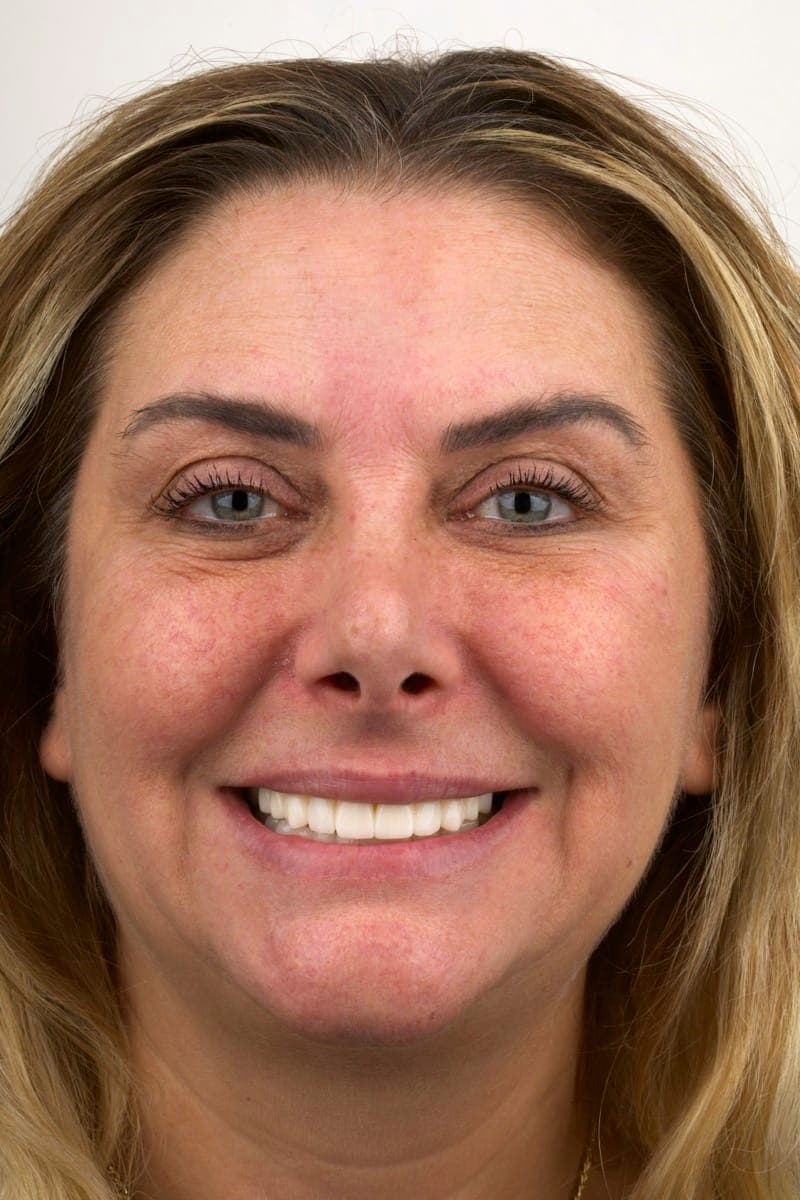
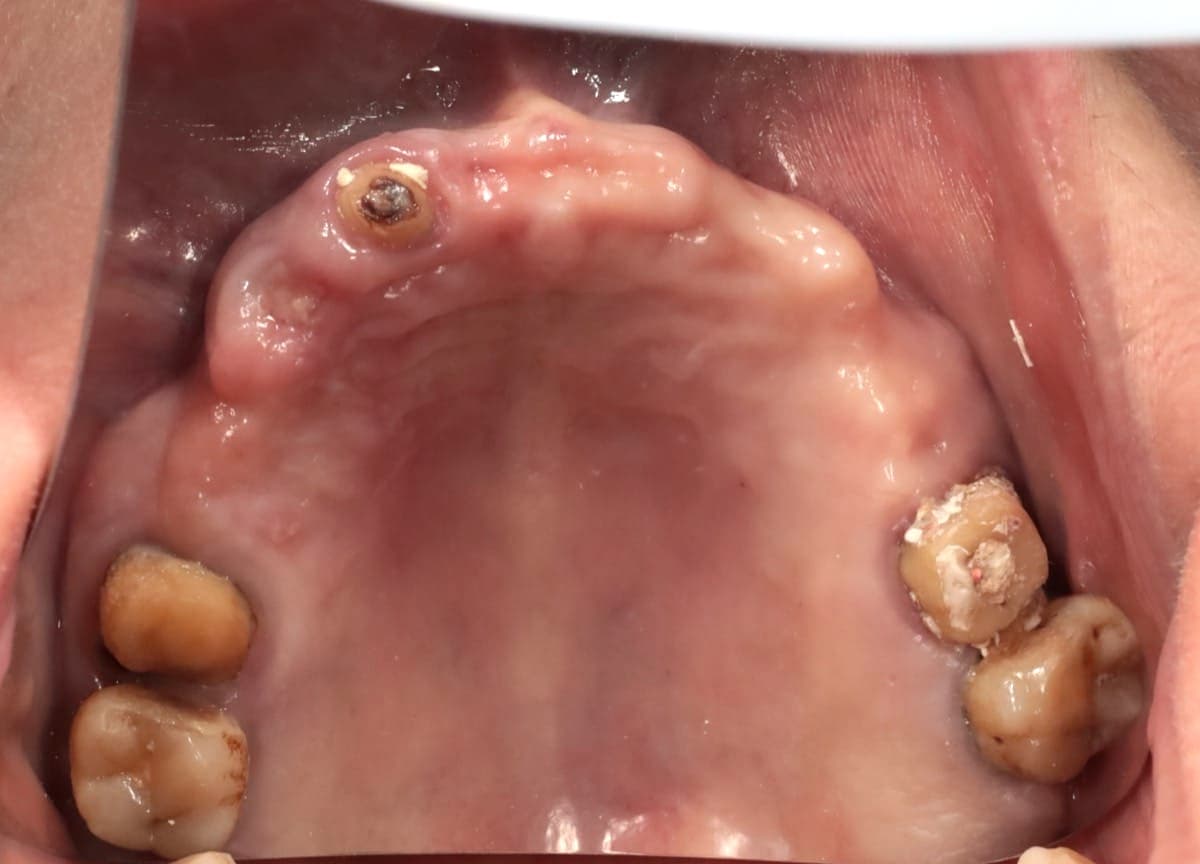
Vaka 1 – Tam Çene İmplant Restorasyonu
Rehberli implant cerrahisi ile üst çene tam ark restorasyonu
❗ Her cerrahi veya girişimsel işlemde sonuçlar kişiden kişiye değişiklik gösterebilir. Tüm görseller hastanın bilgilendirilmiş onamı ile paylaşılmaktadır.
Clinical Images
Why Derya
Why Choose Derya Dental Clinic for Implants?
Your implant treatments are performed by Dr. Aykut Gürel. Specializing in Oral & Maxillofacial Surgery, Dr. Gürel has over 10 years of clinical experience in digital implant surgery, bone grafting, and All-on-4 full-arch restorations. At our clinic in Maltepe, Istanbul, he individually evaluates each case using digital planning and develops the treatment plan together with the patient.
Specialist Surgeon
Dr. Aykut Gürel — 10+ years of experience in Oral & Maxillofacial Surgery. Specialized in digital implant surgery, bone grafting, and All-on-4 restorations.
Digitally Guided Surgery
With surgical guides created from 3D tomography data: shorter procedures, fewer incisions, less swelling. You can preview the expected outcome digitally before treatment.
Proven Track Record
3,000+ successful implant operations over 10 years. Wide range of procedures from single-tooth implants to All-on-4 full-arch restorations, bone grafting, and flapless surgery.
Patient Satisfaction
4.8 stars and 213 Google reviews. Post-treatment follow-up program; check-up appointments at 3, 6, and 12 months during the first year.
Patient Experience
“My dentist Dr. Aykut's communication, gentle touch, and the speed and painlessness of the extraction and implant procedure — it was genuinely the most comfortable dental operation of my life. Everything was done in under an hour. Afterwards I had no pain that affected my daily routine or sleep. I wholeheartedly recommend this clinic.”
Hüseyin Oğrak — Google Local Guide
Implant + Extraction Patient
Pricing
Dental Implant Prices 2026
Why Isn't There a Fixed Price for Everyone?
Implant treatment is a personalized surgical procedure. The factors that determine the price vary from patient to patient: your jawbone density, number of missing teeth, need for bone grafting, preferred implant brand, and prosthesis material all directly affect the cost. Even if two patients at the same clinic choose the same brand, the treatment cost differs if one requires bone grafting. Therefore, the accurate price can only be provided after an examination and personalized treatment plan.
Factors Affecting the Price
- Implant brand used (premium, mid-range, economy)
- Additional surgical procedures (bone graft, sinus lift)
- Prosthetic tooth material (porcelain, zirconia)
- Single tooth, multiple, or full-arch application
Cost Range by Treatment Type
| Treatment Type | Price Range* |
|---|---|
| Single tooth implant (implant + crown) | 25,000 - 55,000 TL |
| Multiple implants (bridge prosthesis) | Varies by number of implants |
| All-on-4 full arch (single jaw) | 200,000 - 350,000 TL |
| All-on-6 full arch (single jaw) | 230,000 - 460,000 TL |
| Bone graft (additional procedure) | 10,000 - 25,000 TL |
| Sinus lift (additional procedure) | 15,000 - 35,000 TL |
* Prices are approximate ranges as of 2026. They vary depending on the patient's oral structure, chosen implant brand, and additional procedures. An examination is required for exact pricing.
Payment Options
- Interest-free installments via credit card
- Phased payment plans based on your treatment schedule
- Additional discount for cash payment
Payment details are discussed together after your treatment plan is prepared. We offer flexible solutions to ensure cost is not a barrier to treatment.
Implant Treatment Cost in Istanbul
Implant prices vary depending on the individual and treatment plan. For the most accurate pricing, visit our clinic for an examination to receive your personalized treatment plan and cost information. For pricing details, see our Implant Prices guide.
Appointment
Call Us to Schedule a Consultation
Our specialist team will provide you with the most suitable treatment plan and pricing.
Book via WhatsApp0507 245 03 05Frequently Asked Questions
Common Questions About Dental Implants
Is implant treatment painful?
How long do dental implants last?
Can anyone get dental implants?
How long does implant treatment take?
Does smoking affect dental implants?
How many sessions does implant treatment require?
Can you feel the difference between an implant and a natural tooth?
Can implants be placed if there is insufficient bone?
Is there a warranty on implant treatment?
What is the difference between All-on-4 and standard implants?
What can I eat after implant surgery?
Can an implant be placed in a single session?
When can I return to work after implant surgery?
Can I have an MRI with dental implants?
I have diabetes — can I get dental implants?
Are payment plans available for implant treatment?
Can the body reject a dental implant?
I want to get implant treatment in Istanbul — what is the first step?
Is there a dental implant clinic in Maltepe, Istanbul?
Guides
Implant Treatment Guides
Read our detailed guides on every topic related to implant treatment.
Decision Stage
Who Can Get Implants?
Diabetes, heart disease, osteoporosis, and implant eligibility.
Read articleImplant Types & Brands
Comparison of Straumann, Nobel Biocare, Osstem, and other brands.
Read articleImplant Prices
Factors affecting prices, brand comparison, and cost analysis.
Read articleImplant vs. Bridge
Detailed comparison: durability, cost, aesthetics, and health.
Read articleSingle Tooth Implant
Implant treatment for a single missing tooth, comparison with bridge.
Read articleHow Long Do Implants Last?
Factors affecting implant longevity and tips for extended lifespan.
Read articleTreatment Process
How Are Implants Placed?
Step-by-step guide from consultation to prosthesis.
Read articleImplant Pain & Recovery
Pain during and after the procedure, day-by-day recovery timeline.
Read articleBone Grafting & Sinus Lift
Pre-implant bone augmentation procedures for insufficient bone.
Read articleAll-on-4 / All-on-6 Implants
Same-day fixed teeth solution for complete tooth loss.
Read articleFlapless Implant Treatment
Faster healing and less pain with flapless surgery.
Read articleImmediate Implant
Implant placement on the same day as tooth extraction.
Read articleGuided Implant Surgery
Millimetric precision with digital planning and surgical guides.
Read articlePost-Treatment
Post-Implant Recovery Guide
Step-by-step recovery after surgery and nutrition guide.
Read articleSwelling After Implant Surgery
How long does swelling last, how to reduce it, when to see a doctor?
Read articleImplant Care & Cleaning
A care guide to keep your implant healthy for a lifetime.
Read articleSmoking & Dental Implants
Effects of smoking on implant success and recommendations.
Read articleAdvanced Surgery & Expertise
Implants for Bone Resorption
Treatment options for insufficient bone: graft, short implants, zygomatic.
Read articleImplants After Long-Term Tooth Loss
Solutions and treatment options for patients edentulous for years.
Read articleFreehand vs. Guided Implant
Freehand and guided surgery: accuracy, safety, and comfort differences.
Read articlePre-Implant Tomography
Why is 3D tomography (CBCT) necessary and what does it add to implant planning?
Read articleExplore
Our Other Treatment Areas
In addition to implant treatment, explore the other specialties offered at our clinic.

Author
Aykut Gürel, DDS, PhD
Oral & Maxillofacial Surgeon
Dr. Aykut Gürel is an Oral & Maxillofacial Surgeon who graduated from Istanbul University and completed his residency at Marmara University. He specializes in dental implantology, zygomatic implant surgery, and digitally guided surgical planning.
View doctor profile