
What Is Tartar and Why Does It Form?
Within hours of brushing, a bacterial plaque begins to form on the tooth surfaces. This sticky film starts to harden within 24–48 hours and, combined with calcium and phosphate from saliva, turns into tartar.
Factors that speed up tartar formation:
- Inadequate or incorrect brushing
- Not flossing
- Smoking
- Mineral content of saliva (varies from person to person)
- Certain medications (those causing dry mouth)
Why Is Scaling Needed?
| Risk | Explanation |
|---|---|
| Gingivitis | Gum inflammation — bleeding, redness, swelling |
| Periodontitis | Advanced gum disease — bone loss, loose teeth |
| Bad breath | Bacteria produce persistent unpleasant odour |
| Decay risk | Bacteria multiply under the plaque |
| Staining | Yellow-brown stains, particularly on the lower front teeth |
| Tooth loss | Untreated periodontitis leads to tooth loss |
Statistic: According to the World Health Organization, more than 50% of adults experience gum disease at some point. Regular scaling is the most effective means of prevention.
How Is Scaling Performed?
1. Examination
Gum condition and the amount and location of tartar are assessed.
2. Ultrasonic Cleaning
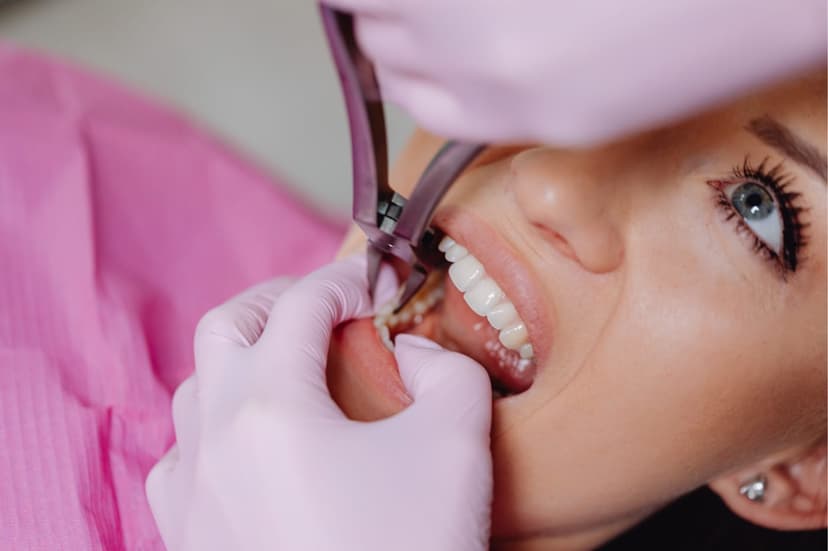
A specialised ultrasonic device fragments the tartar using vibration and water. It is fast and effective.
3. Hand-Instrument Detail Cleaning
Areas the ultrasonic cannot reach (between teeth, gum pockets) are cleaned with hand instruments called curettes.
4. Polishing
The tooth surfaces are polished with a special paste. This smooths the surface and makes it harder for new plaque to attach.
5. Fluoride Application (Optional)
A fluoride gel or varnish is applied to strengthen the enamel.
Does It Hurt?
Most patients feel only mild sensitivity rather than pain. Patients with tender gums may feel a brief stinging sensation. In advanced gum disease, local anaesthesia is used for comfort.
Mild sensitivity for 1–2 days afterwards is normal.
How Long Does It Take?
| Situation | Duration |
|---|---|
| Mild tartar | 20–30 minutes |
| Moderate deposits | 30–45 minutes |
| Advanced tartar + gum treatment | 45–60 minutes (sometimes 2 sessions) |
How Often Is It Needed?
- General recommendation: Every 6 months
- Smokers: Every 3–4 months
- History of gum disease: Every 3–4 months
- Excellent oral hygiene: Every 6–12 months
Does Scaling Damage the Teeth?
No. This is the most common misconception. Professional cleaning does not damage the enamel. The sensation of "my teeth moved apart" after cleaning actually reflects the fact that the gaps previously filled by tartar are now visible — your teeth were already spaced that way, the tartar was simply masking it.
Related Guides
For more on gum health and preventive care:
- Gingivitis Treatment — Early-stage treatment
- Gum Recession Treatment — Causes and treatment
- Bleeding Gums Causes — What bleeding gums mean
- Dental Abscess Treatment — Infection risk from tartar
Related Treatment Pages
This content is for informational purposes only and does not replace medical diagnosis or treatment. Please consult a specialist for decisions about your oral and dental health.