
Comparison Table
| Feature | Composite | Porcelain Inlay/Onlay | Amalgam | Glass Ionomer |
|---|---|---|---|---|
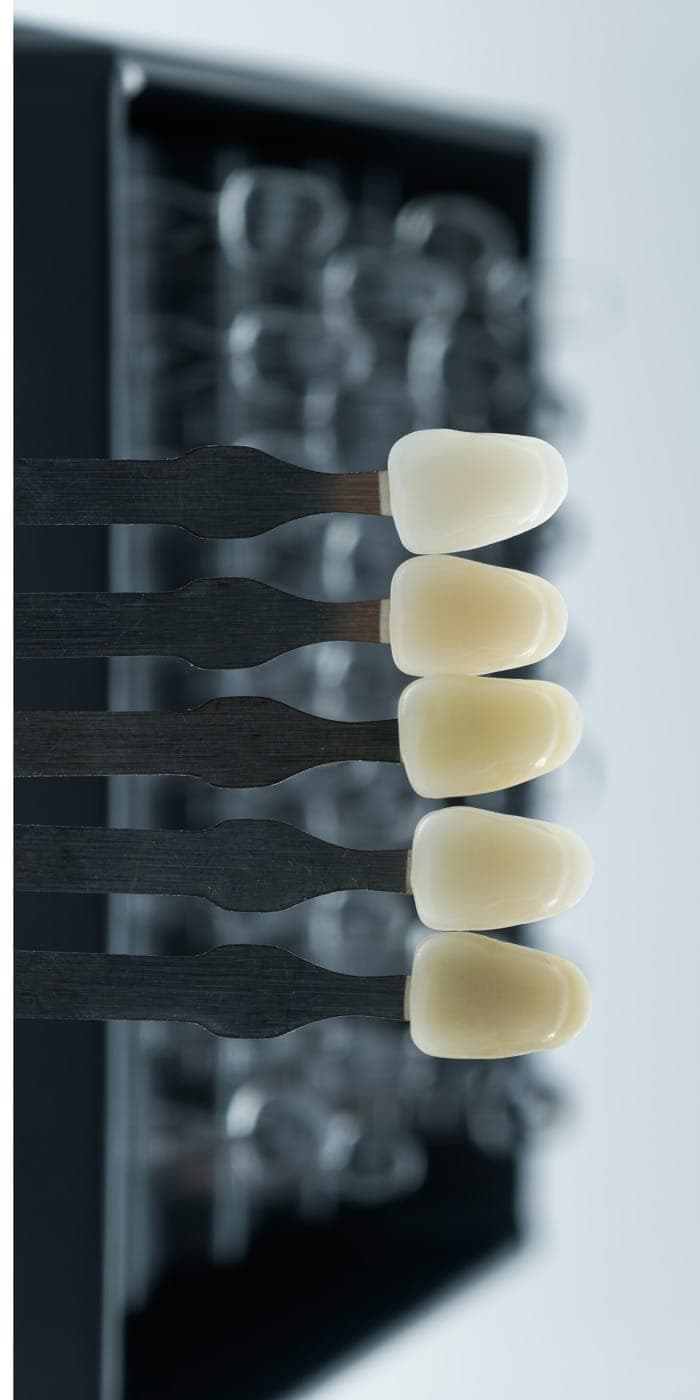
| Colour | Tooth-coloured | Tooth-coloured | Silver/dark | Semi-translucent |
| Durability | Good (5–10 yrs) | Excellent (10–15 yrs) | Excellent (10–15 yrs) | Moderate (3–5 yrs) |
| Aesthetics | ⭐⭐⭐⭐ | ⭐⭐⭐⭐⭐ | ⭐ | ⭐⭐ |
| Front teeth | ✅ Ideal | ✅ Good | ❌ Not aesthetic | ⚠️ Temporary |
| Back teeth | ✅ Good | ✅ Ideal | ✅ Durable | ⚠️ Limited |
| Fluoride release | ❌ | ❌ | ❌ | ✅ Yes |
| Visits | Single | 2 visits (lab) | Single | Single |
| Price | Moderate | High | Low | Low |
1. Composite Filling (White Filling)
The most widely used modern filling material. A resin-based paste is applied in the tooth colour and cured with an LED light.
Advantages:
- Tooth-coloured, natural appearance
- Completed in a single visit
- Bonds chemically to the tooth (less tooth removal)
- Repairable
Disadvantages:
- Can discolour over time (tea, coffee, smoking)
- Durability is limited in very large cavities
- On back teeth, longevity can be shorter than amalgam under chewing forces
When to choose it: First choice for small-to-moderate cavities in front and back teeth.
2. Porcelain Inlay / Onlay
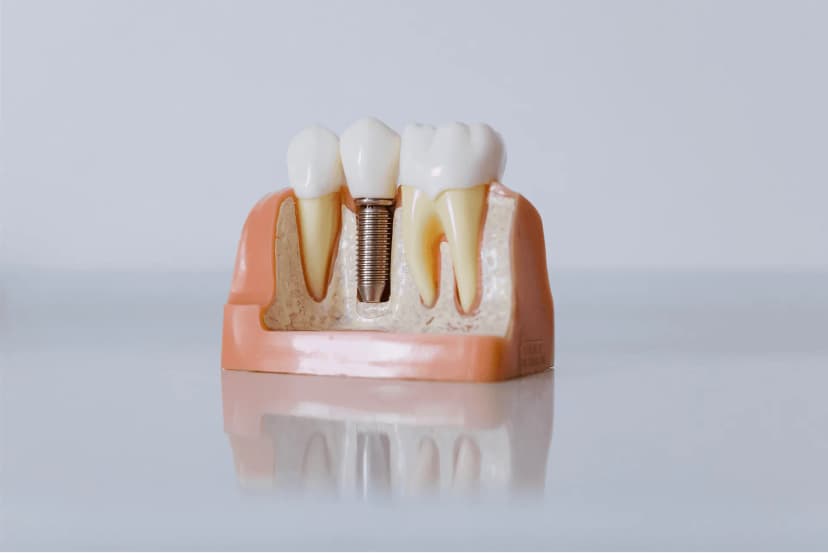
Laboratory-made ceramic restorations. Preferred over crowns for large cavities.
Inlay: Sits within the chewing-surface cavity Onlay: Also covers the cusps (partial coverage)
Advantages:
- Excellent aesthetics and colour match
- Very durable (10–15 years)
- Does not discolour
- Superior to composite in large cavities
Disadvantages:
- Requires 2 visits (impression + fitting)
- Higher cost
- Difficult to repair
When to choose it: For large cavities in back teeth — a more conservative alternative to a crown.
3. Amalgam (Silver Filling)
A traditional filling material made from an alloy of mercury, silver, tin and copper.
Advantages:
- Very durable, long-lasting
- Most economical option
- Can be placed in a moist field
Disadvantages:
- Silver-black colour (not aesthetic)
- Mercury content is controversial (WHO considers it safe but it is restricted in some countries)
- More tooth removal is required
- Long-term risk of tooth cracking
When to choose it: Use has declined. If budget is limited and aesthetics is not a concern, may be chosen for back teeth.
4. Glass Ionomer Filling
A fluoride-releasing material, usually used in children's teeth and root surface decay.
Advantages:
- Releases fluoride, protecting surrounding teeth
- Chemically bonds to the tooth
- Biocompatible
Disadvantages:
- Lower durability (3–5 years)
- Poor resistance to chewing forces
- Less aesthetic than composite
When to choose it: Primary (baby) teeth, root-surface decay and as a temporary filling after root canal treatment.
Factors Influencing Filling Choice
| Factor | Effect |
|---|---|
| Tooth position | Front tooth → aesthetic priority (composite); back tooth → durability |
| Cavity size | Small → composite; large → inlay/onlay or crown |
| Budget | Limited → composite; investment → porcelain inlay |
| Aesthetic expectations | High → composite or porcelain |
| Patient age | Child → glass ionomer; adult → composite/porcelain |
How Long Do Fillings Last?
A filling's lifespan depends on the material, the tooth's position and your oral hygiene:
- Composite: 5–10 years
- Porcelain inlay/onlay: 10–15 years
- Amalgam: 10–15 years
- Glass ionomer: 3–5 years
Regular brushing, flossing and 6-monthly check-ups extend the life of a filling.
Related Guides
- Tooth Decay Treatment — Decay stages and treatment
- What Is Root Canal Treatment — When a filling is no longer enough
- Dental Abscess Treatment — Advanced infection
Related Treatment Pages
This content is for informational purposes only and does not replace medical diagnosis or treatment. Please consult a specialist for decisions about your oral and dental health.