
I am Dr Aykut Gürel. I completed my specialist training in the Department of Oral and Maxillofacial Surgery at Marmara University Faculty of Dentistry. At Derya Dental Clinic in Maltepe I perform surgical treatment every day. In this article I will explain what oral surgery is, what treatments it covers, what happens before and after surgery and answer the questions patients most often ask.
What Is Oral Surgery?
Oral and maxillofacial surgery is the branch of dentistry concerned with surgical treatment. It is not limited to tooth extraction — it covers the diagnosis and treatment of conditions of the jaw bones, the soft tissues of the mouth, the jaw joint and the facial region.
Common reasons to need oral surgery:
- Impacted teeth: Wisdom teeth or other unerupted teeth held in the jaw
- Jaw cysts and tumours: Pathological lesions within the bone
- Implant surgery: Complex cases, especially where bone is deficient
- Bone grafting: Increasing bone volume before implant treatment
- Apicoectomy: Apical surgery when root canal treatment has not resolved the infection
- Jaw fractures and trauma: Facial and jaw injuries
- Oral soft-tissue surgery: Frenectomy, biopsy and similar procedures
Unlike general dentistry, specialist oral and maxillofacial surgeons undertake at least four years of additional training. During this time they acquire intensive clinical experience in surgical anatomy, anaesthesia techniques, emergency medicine rotations and advanced surgical procedures.
What Treatments Fall Under Oral Surgery?
Oral surgery covers a wide range of treatments. The main procedures carried out in our clinic include:
1. Impacted Wisdom Tooth Surgery
Wisdom teeth (third molars) usually attempt to erupt between 17 and 25. When there is not enough room in the jaw they remain impacted, press on the neighbouring teeth or cause recurrent infection (pericoronitis).
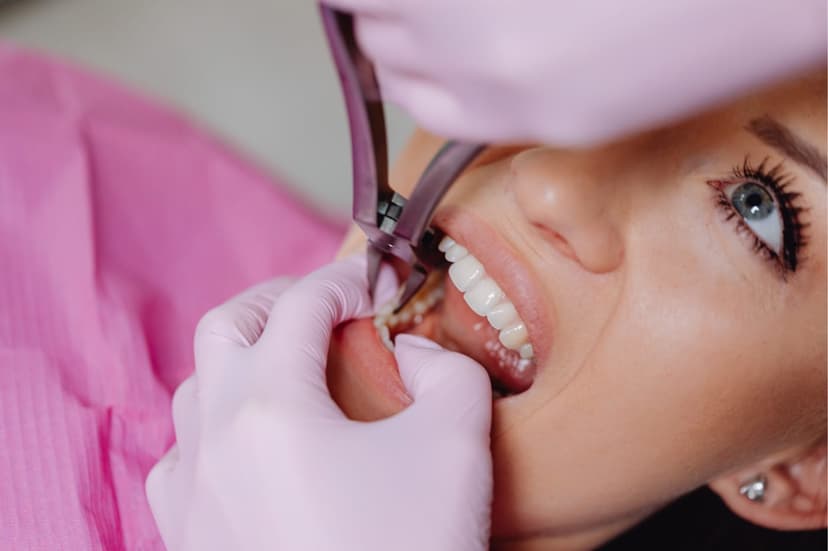
Impacted tooth surgery is the most common oral surgery procedure. Depending on the position of the tooth, approaches range from simple surgical extraction to complex bone-removal surgery. In the lower jaw, proximity to the mandibular nerve makes it essential that the procedure is carried out by an experienced specialist.
See Impacted Wisdom Tooth Surgery for more detail.
2. Apicoectomy (Apical Surgery)
Apicoectomy is surgery on a tooth that has had root canal treatment but where infection at the root tip has not cleared. The infected tissue and a few millimetres of the root tip are removed surgically, allowing the tooth to stay in the mouth.
This procedure saves many teeth that would otherwise need to be extracted. It is particularly valuable for front teeth, where aesthetics matter.
3. Jaw Cysts and Tumours
Cysts that form in the jaw bone — odontogenic (from the teeth) and non-odontogenic — often grow silently and are found on a routine radiograph. Untreated, they can cause bone loss, damage the neighbouring teeth and, rarely, pathological fracture.
Treatment is either enucleation (complete removal of the cyst) or marsupialisation (decompressing and shrinking it). All removed tissue is sent for pathology.
4. Coronectomy
Coronectomy is an alternative technique for impacted wisdom teeth in which the roots are in close contact with the lower jaw nerve (inferior alveolar nerve). Only the crown of the tooth is removed; the roots remain in the bone. This significantly reduces the risk of nerve injury.
Coronectomy is not suitable for every case and requires careful planning with 3-D imaging.
5. Frenectomy
A frenulum is a thin band of tissue between the lip and the gum, or under the tongue. If it is too thick or too short it can:
- Produce a gap between the upper front teeth (diastema)
- Interfere with denture fit
- Cause breastfeeding difficulty in infants (tongue tie)
- Contribute to speech problems
Frenectomy takes a few minutes under local anaesthesia and recovery is quick.
6. Bone Grafting and Sinus Lifting
After tooth loss, the jaw bone resorbs over time. When there is not enough bone for implant treatment, bone grafting is required. Graft materials can be synthetic bone, allograft (from a donor) or autogenous bone (the patient's own).
Sinus lifting raises the floor of the maxillary sinus to create bone height for implants in the upper back jaw. It is performed either internally (closed) or with a lateral window (open).
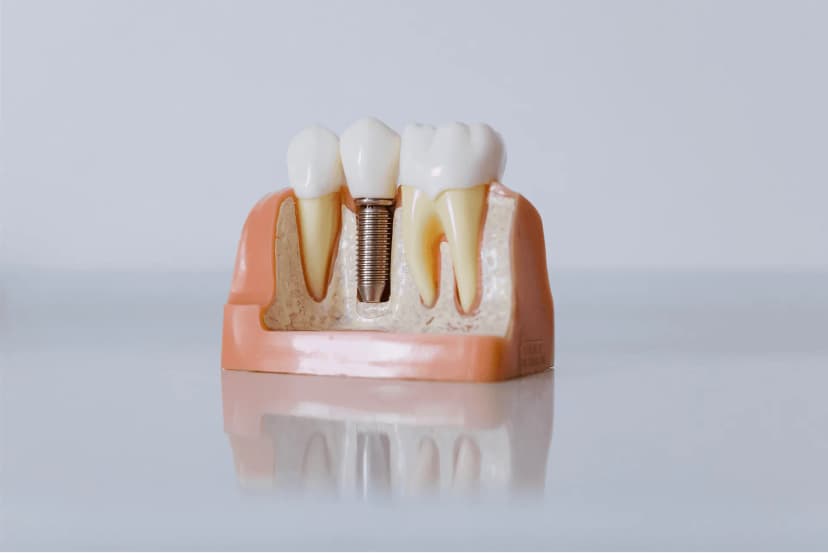
7. Guided Implant Surgery
Guided implant surgery uses 3-D CT imaging and digital planning software to plan the implant on the computer in advance and place it using a custom surgical guide.
With this approach:
- The implant is placed at the correct angle and depth
- Surgical time is shorter
- Recovery is faster
- The risk of damage to critical structures such as nerves and sinuses is reduced
8. Zygomatic Implants
In the upper jaw, when severe bone loss rules out conventional implants, zygomatic implants offer an alternative. They are anchored in the zygomatic (cheek) bone rather than the jaw bone.
Zygomatic implants avoid the need for bone grafting and significantly shorten treatment. However, this is a complex procedure that requires advanced surgical experience.
Before Oral Surgery
The foundation of successful surgery is proper planning. Our preparation includes:
3-D CT (CBCT) Imaging
Cone-beam CT (CBCT) is the single most important diagnostic tool before surgery. Unlike a conventional panoramic radiograph, CBCT gives three-dimensional information:
- The exact position of the impacted tooth in the bone
- Its relationship with nerves and blood vessels
- The size of any cyst or pathology
- Bone thickness and density
- Measurements for implant planning
The digital CT scanner in our clinic means the scan is performed on-site in a few minutes.
Blood Tests and Medical Review
Before surgery we review:
- Full blood count: Bleeding and clotting status
- Systemic disease: Diabetes, hypertension, cardiac disease
- Medication: Particularly anticoagulants such as aspirin and warfarin
- Allergies: To local anaesthetics or antibiotics
Medication and Diet Advice
General advice I give patients before surgery:
- If you are on a blood thinner, speak to your doctor — a change of dose or a short pause may be needed
- A light breakfast on the day is fine (if sedation is planned you will be asked to fast)
- Avoid alcohol and smoking on the day of surgery
- Wear comfortable clothing
- Where possible, come with someone
How the Surgery Is Carried Out
The majority of oral surgery procedures are carried out in our clinic under local anaesthesia. You will feel no pain during the procedure — only mild pressure.
Anaesthesia Options
- Local anaesthesia: The most common. Only the surgical site is numbed. The patient is conscious throughout.
- Sedation (conscious sedation): For anxious patients or longer cases. Medication is given intravenously to relax you; you are not asleep but your anxiety disappears.
- General anaesthesia: For complex cases, multiple impactions or long procedures; performed in a hospital.
Sterile Surgical Environment
Infection control is essential. In our clinic:
- Hospital-grade sterility is maintained
- Single-use surgical materials are used
- All instruments are sterilised by autoclave
- The surgical team wears sterile gowns and gloves
The Procedure
- Local anaesthesia and checking it has worked
- A soft-tissue incision where required
- Bone removal or reshaping if needed
- Removal of the pathological tissue, impacted tooth or cyst
- Cleaning of the area and grafting if indicated
- Closure with sutures
- A pressure pack and post-operative instructions
Depending on the procedure, operating time ranges from 15 to 90 minutes.
Recovery After Surgery
Recovery depends on the extent of the procedure. A general timeline:
First 24 Hours
- Pressure pack held over the surgical site for 30–45 minutes
- Once it is removed, light oozing is normal
- Cold compress (ice pack) for swelling — 15 minutes on, 15 minutes off
- Do not touch or probe the area with the tongue or fingers
- Avoid hard, hot and spicy foods; choose soft, lukewarm options
First Week
- Swelling peaks at day 2–3 and then settles
- Some bruising can occur; it clears in 7–10 days
- Take prescribed antibiotics and analgesics as directed
- Do not smoke — it significantly slows healing and raises infection risk
- Avoid heavy physical activity
Suture Removal
Sutures are usually removed 7–10 days after surgery. If resorbable sutures have been used, they dissolve on their own.
Risks and Possible Complications
Every surgical procedure carries some risk. I always want patients to have clear and honest information.
Nerve Injury
In lower-jaw surgery the two key nerves are the inferior alveolar nerve and the lingual nerve. If injured:
- There may be numbness or tingling in the lower lip and chin
- In most cases this is temporary and recovers over weeks to months
- Permanent nerve injury is rare but possible
3-D imaging that accurately maps the nerve canal before surgery substantially reduces this risk. In high-risk cases coronectomy may be used to protect the nerve.
Bleeding
Bleeding during and after surgery is controlled with pressure packs and, if necessary, haemostatic agents. Patients on blood thinners have their medication reviewed before surgery.
Infection
Infection is a risk with any surgery. We minimise it with:
- Sterile surgical technique
- Prophylactic (preventive) antibiotics where indicated
- Detailed oral hygiene instructions after surgery
Other Possible Complications
- Dry socket (alveolar osteitis): Particularly after lower wisdom tooth extraction; caused by early loss of the blood clot
- Sinus perforation: Possible in the upper back region; managed with the appropriate protocol
- Jaw fracture: Very rare; seen in large cyst or tumour cases
- Swelling and bruising: More an expected post-operative response than a true complication; settles in days
Most of these can be prevented or managed with careful planning, experienced surgical technique and good patient compliance.
Why a Specialist?
Tooth extraction is something every dentist can do. But impacted tooth surgery, bone grafting, sinus lifting and jaw cyst surgery require specialist expertise.
Specialist vs General Dentist
| General Dentist | Oral and Maxillofacial Surgeon | |
|---|---|---|
| Training | 5-year undergraduate | 5-year undergraduate + 4 years specialist |
| Surgical experience | Basic extractions | Thousands of complex surgical cases |
| Anaesthesia knowledge | Local anaesthesia | Local, sedation and general anaesthesia |
| Complication management | Limited | Extensive emergency training |
| 3-D planning | Usually not | Digital surgical planning experience |
About Dr Aykut Gürel
I completed my specialist training in the Department of Oral and Maxillofacial Surgery at Marmara University Faculty of Dentistry. During training I completed rotations in:
- Emergency Medicine — trauma management
- Anaesthesiology — general anaesthesia and sedation
- Plastic Surgery — soft-tissue surgery
- ENT — head and neck surgery
This multidisciplinary training informs my approach to surgical treatment and my management of complications.
Surgery at Derya Dental Clinic
At Derya Dental Clinic we have the infrastructure for safe and comfortable surgical treatment.
On-Site 3-D CT (CBCT)
Our in-house digital CT scanner means pre-operative imaging is carried out quickly, without needing to go elsewhere.
Digital Surgical Planning
The CT data are used for pre-operative simulation. This allows:
- Millimetre-accurate implant positioning
- Production of a custom surgical guide
- Anticipation of potential risks
Sterile Surgical Environment
Surgery is performed to hospital-grade sterile standards. Our infection-control protocols are regularly reviewed and audited.
Experienced Surgical Team
All surgery is performed by an oral and maxillofacial surgeon, with trained assistants. Complex cases are managed with a multidisciplinary approach.
Sedation Available
For anxious patients or longer procedures, conscious sedation is available.
References
- Pitros P, O'Connor N, Tryfonos A, Lopes V. A systematic review of the complications of high-risk third molar removal and coronectomy. Br J Oral Maxillofac Surg. 2020;58(9):e189–e196. PubMed
- Póvoa RCS, et al. Does coronectomy avoid inferior alveolar nerve injury during third molar extractions? A systematic review. Healthcare. 2021;9(6):750. PubMed
- Pinto D, et al. Long-term prognosis of endodontic microsurgery — a systematic review and meta-analysis. Medicina. 2020;56(9):447. PubMed
- Shah D, Chauhan C, Shah R. Survival rate of dental implants placed using various maxillary sinus floor elevation techniques. J Indian Prosthodont Soc. 2022;22(3):215–224. PubMed
- Khaohoen A, et al. Accuracy of implant placement with computer-aided static, dynamic, and robot-assisted surgery: a systematic review and meta-analysis. BMC Oral Health. 2024;24(1):359. PubMed
- Weiss R, Read-Fuller A. Cone beam computed tomography in oral and maxillofacial surgery: an evidence-based review. Dent J. 2019;7(2):52. PubMed
- Al-Nawas B, et al. ITI consensus report on zygomatic implants. Int J Implant Dent. 2023;9(1):28. PubMed
- Garola F, et al. Clinical management of alveolar osteitis. A systematic review. Med Oral Patol Oral Cir Bucal. 2021;26(6):e691–e702. PubMed
- Kuśnierek W, et al. Smoking as a risk factor for dry socket: a systematic review. Dent J. 2022;10(7):121. PubMed
- Long H, et al. Coronectomy vs. total removal for third molar extraction: a systematic review. J Dent Res. 2012;91(6):659–665. PubMed
Appointments and Contact
To find out more about oral surgery or to book a consultation, please contact us.
Derya Dental Clinic Fındıklı Mah. Gazi Mustafa Kemal Cad. No:17-19/21, 34854 Maltepe/İstanbul
📞 0216 572 91 60 💬 WhatsApp appointment
Related Guides
- Impacted Wisdom Tooth Surgery — The most common oral surgery procedure
- TMJ Jaw Joint Disorder — Jaw joint management
- Bone Loss Treatment — Grafting and implant planning
- Dental Implants — After-extraction restoration
Related Treatment Pages
This content is for informational purposes only and does not replace medical diagnosis or treatment. Please consult a specialist for decisions about your oral and dental health.