
How Is a Broken Tooth Treated?
💡 In an emergency: Find the fractured fragment, keep it moist in milk and see a dentist as soon as possible.
Types of Tooth Fracture and Treatment Options
1. Enamel Craze Lines
Fine lines on the surface of the enamel. Usually painless and harmless.
- Treatment: No treatment is usually needed. If there is an aesthetic concern, bonding or polishing.
- Cost: 500–1,500 TL
2. Enamel Fracture (Small Chip)
A small piece has broken off the edge or corner of the tooth.
- Treatment: Composite bonding (direct composite repair)
- Time: 1 visit (30–60 minutes)
- Cost: 2,000–4,000 TL
3. Enamel–Dentine Fracture (Moderate)
The fracture has passed through the enamel into the dentine. Sensitivity begins.
- Treatment: Composite bonding or a porcelain inlay/onlay
- Time: 1–2 visits
- Cost: 2,000–8,000 TL
4. Fracture with Pulp Exposure (Large)
The fracture has reached the nerve (pulp). Pain is severe.
- Treatment: Root canal treatment plus a crown
- Time: 2–3 visits
- Cost: 8,000–20,000 TL
5. Root Fracture
The root of the tooth is fractured. In most cases the tooth cannot be saved.
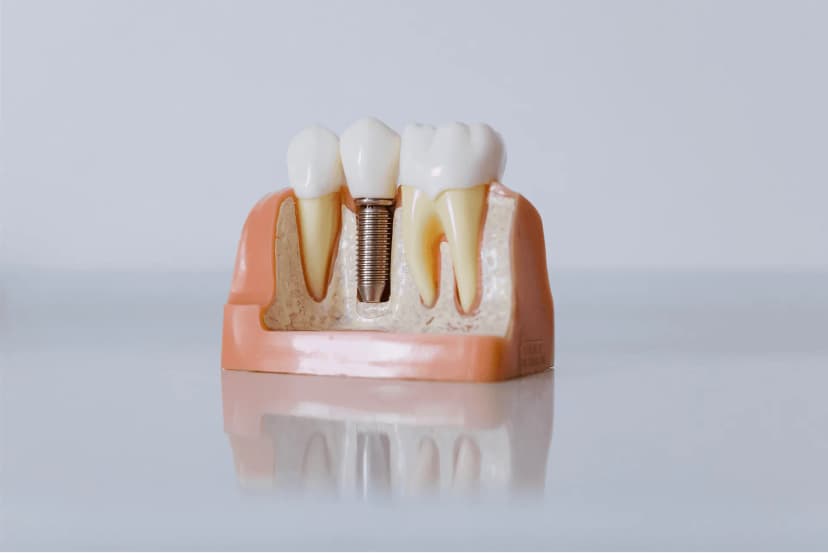
- Treatment: Extraction plus implant or bridge
- Time: Extraction in 1 day; implant 3–6 months
- Cost: 12,000–30,000 TL
6. Split Tooth (Vertical Fracture)
The tooth has split vertically in two.
- Treatment: Usually extraction. Partial preservation only in rare cases.
- Cost: Extraction 500–5,000 TL plus restoration
Emergency Care for a Broken Tooth
Immediate steps if you fracture a tooth:
- Find the fragment — it may be possible to bond it back
- Keep it moist in milk — proteins in milk help preserve the tissue (saliva also works)
- Rinse your mouth with warm salt water — controls bleeding and infection
- Apply pressure with gauze if bleeding — for 10 minutes
- Cold compress — on the outside of the cheek to reduce swelling
- Take a painkiller — ibuprofen (400 mg)
- See a dentist as soon as possible — emergency dental care
What Not to Do
- Do not let the fragment dry out (drying reduces the chance of bonding it back)
- Do not use superglue or household adhesives
- Do not chew hard food on the fractured side
- Avoid very hot or very cold food and drinks
Treatment Options Compared
| Treatment | Suitable For | Time | Cost (2026) | Longevity |
|---|---|---|---|---|
| Bonding | Small chips, enamel fractures | 1 visit | 2,000–4,000 TL | 5–10 years |
| Inlay/onlay | Moderate fractures | 1–2 visits | 4,000–8,000 TL | 10–15 years |
| Crown | Large fractures | 2 visits | 3,000–12,000 TL | 15–20 years |
| Root canal + crown | Pulp exposure | 2–3 visits | 8,000–20,000 TL | 15–20 years |
| Laminate veneer | Small fractures in front teeth | 2 visits | 7,000–15,000 TL | 10–15 years |
| Extraction + implant | Root fracture | 3–6 months | 12,000–30,000 TL | 20+ years |
Preventing a Broken Tooth
- If you clench or grind, wear a night guard
- Wear a mouthguard for contact sport
- Avoid biting directly on hard items (nuts, ice, boiled sweets)
- Stop habits like chewing pens
- Keep regular check-ups — cracks are picked up early
References
- Diangelis AJ, Andreasen JO, Ebeleseder KA, et al. International Association of Dental Traumatology guidelines for the management of traumatic dental injuries: 1. Fractures and luxations of permanent teeth. Dent Traumatol. 2012;28(1):2–12. PubMed
- Ahovuo-Saloranta A, Forss H, Walsh T, et al. Pit and fissure sealants for preventing dental decay in permanent teeth. Cochrane Database Syst Rev. 2017;7(7):CD001830. PubMed
- World Health Organization. Global Oral Health Status Report: Towards Universal Health Coverage for Oral Health by 2030. Geneva: WHO; 2022. who.int
Have you broken a tooth? At Maltepe Derya Dental Clinic we can see you urgently and plan the most suitable treatment. Please get in touch.
Related Treatment Pages
This content is for informational purposes only and does not replace medical diagnosis or treatment. Please consult a specialist for decisions about your oral and dental health.