
Comparison of Prosthesis Types
| Feature | Fixed Prosthesis | Removable Prosthesis | Implant-Supported Prosthesis |
|---|---|---|---|
| Removable | No | Yes | Varies (fixed or removable) |
| Natural feel | Very good | Moderate | Excellent |
| Aesthetics | Very good | Moderate | Excellent |
| Longevity | 10–15 years | 5–8 years | 15–20+ years |
| Price | Moderate–high | Low–moderate | High |
| Bone preservation | Partial | Bone loss continues | Bone is stimulated |
| Care | Normal brushing | Daily removal and cleaning | Normal brushing |
Types of Fixed Prosthesis
1. Crown
A restoration that covers a whole tooth. A crown is used when at least 60% of the tooth is damaged or after root canal treatment.
Material options:
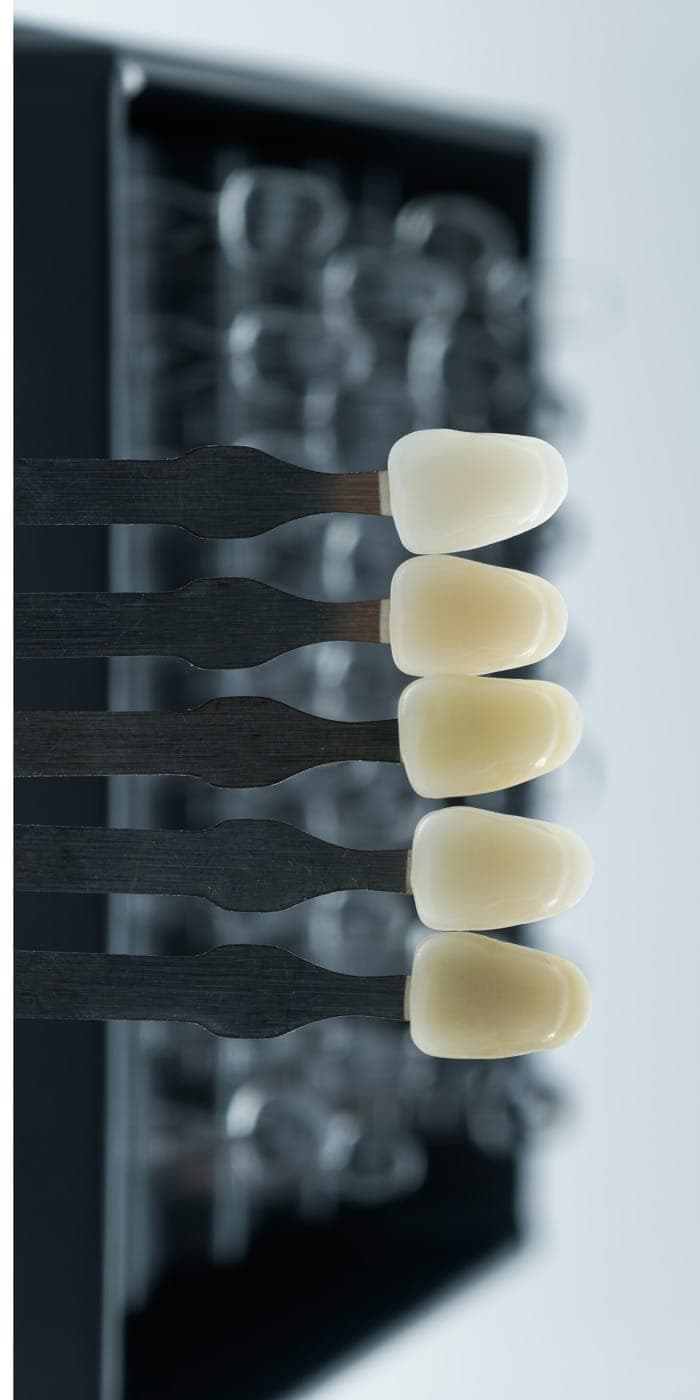
- Zirconium — metal-free, natural appearance
- Metal-ceramic — durable, good for back teeth
- Full ceramic (E-max) — excellent aesthetics, ideal for front teeth
2. Bridge
One or more missing teeth are replaced by anchoring the bridge to the adjacent teeth. The neighbouring teeth are prepared as bridge abutments.
Advantages:
- Fixed, non-removable
- Faster than an implant (2–3 weeks)
- More affordable than implants
Disadvantages:
- Healthy neighbouring teeth must be reduced
- Bone loss continues under the bridge
- Slightly increased decay risk on abutment teeth
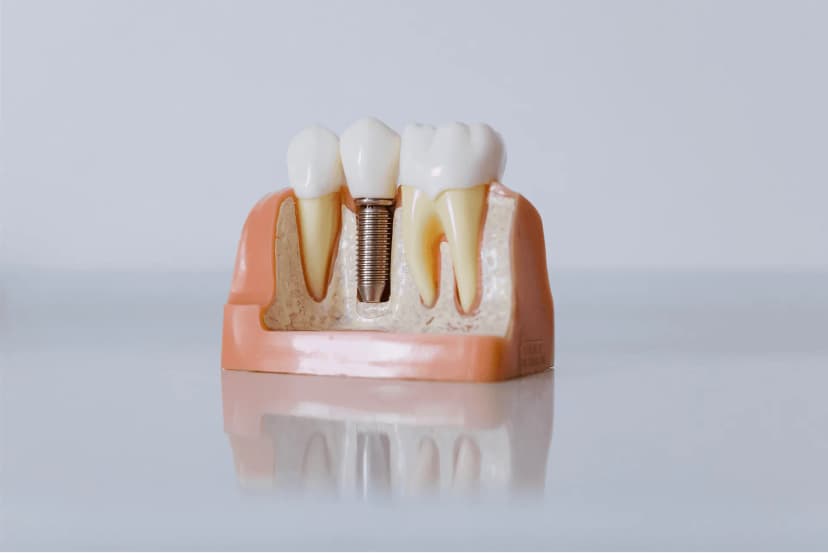
3. Implant-Supported Crown
A single crown placed on a dental implant. The neighbouring teeth are left completely untouched.
Types of Removable Prosthesis
1. Complete Denture
Used when all of the teeth in a jaw are missing. The denture rests on the palate and gums.
Advantages:
- The most economical whole-arch solution
- No surgery required
Disadvantages:
- Risk of slipping or dropping out
- Lower chewing efficiency (30–40% of a natural dentition)
- Palatal coverage reduces taste sensation
- Fit worsens over time as bone resorbs
2. Partial Denture
For a few missing teeth — clasped to the remaining natural teeth. Removable.
Advantages:
- An alternative when fixed work is not possible
- Affordable
Disadvantages:
- Metal clasps can show
- Clasps can strain the anchor teeth
3. Implant-Supported Removable Denture
A denture that clips onto 2–4 implants and can still be removed. Considerably more stable than a conventional complete denture.
Which Prosthesis Suits Which Patient?
| Situation | Recommended |
|---|---|
| Single missing tooth | Implant-supported crown or bridge |
| 2–3 missing teeth | Implant or bridge |
| Multiple missing teeth | Implant-supported fixed prosthesis (All-on-4) |
| All teeth missing, implants possible | All-on-4 or implant-supported removable |
| All teeth missing, implants not possible | Complete denture |
| Very limited budget | Removable denture (interim solution) |
| Temporary period | Provisional prosthesis |
Prosthesis Care
Fixed Prosthesis
- Normal toothbrushing plus floss
- Super floss or interdental brush under bridges
- Check-up every 6 months
Removable Prosthesis
- Rinse after each meal with the denture removed
- Once a day: brush plus a denture cleaning tablet
- Remove at night and store in water
- Annual fit review (a rebase may be needed)
2026 Denture Prices
| Type | Price Range (2026) | Longevity |
|---|---|---|
| Complete denture | 5,000 – 12,000 TL (per arch) | 5–8 years |
| Partial denture | 4,000 – 10,000 TL | 5–8 years |
| Precision-attachment denture | 8,000 – 18,000 TL | 8–12 years |
| Crown (single tooth) | 3,000 – 12,000 TL | 10–15 years |
| Bridge (3-unit) | 9,000 – 36,000 TL | 10–15 years |
| Implant-supported denture | 40,000 – 80,000 TL (per arch) | 15–20+ years |
| All-on-4 fixed prosthesis | 200,000 – 350,000 TL (per arch) | 15–20+ years |
Clinical note: Prices vary with the material. Zirconium crown/bridge work is more expensive than metal-ceramic.
Related Guides
- Dental Crown Types and Prices — Full comparison
- Porcelain Crowns — Types and process
- Cosmetic Dentistry — Our services
Related Treatment Pages
This content is for informational purposes only and does not replace medical diagnosis or treatment. Please consult a specialist for decisions about your oral and dental health.