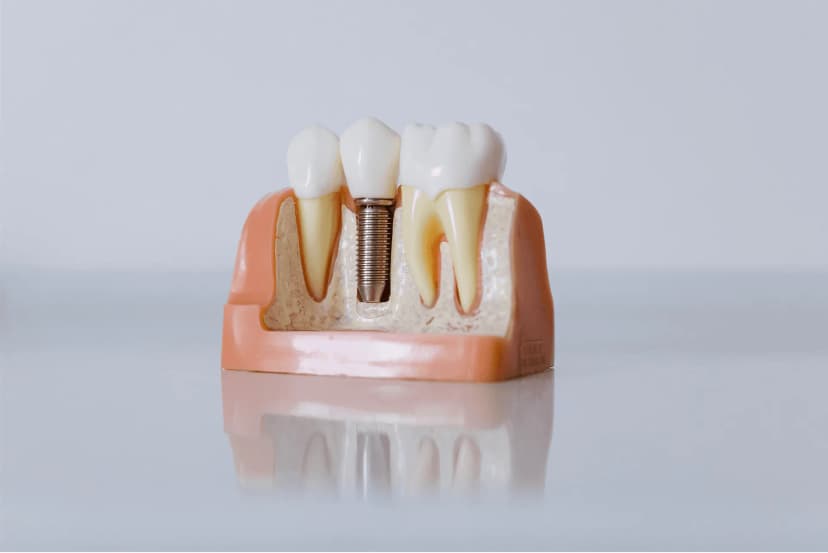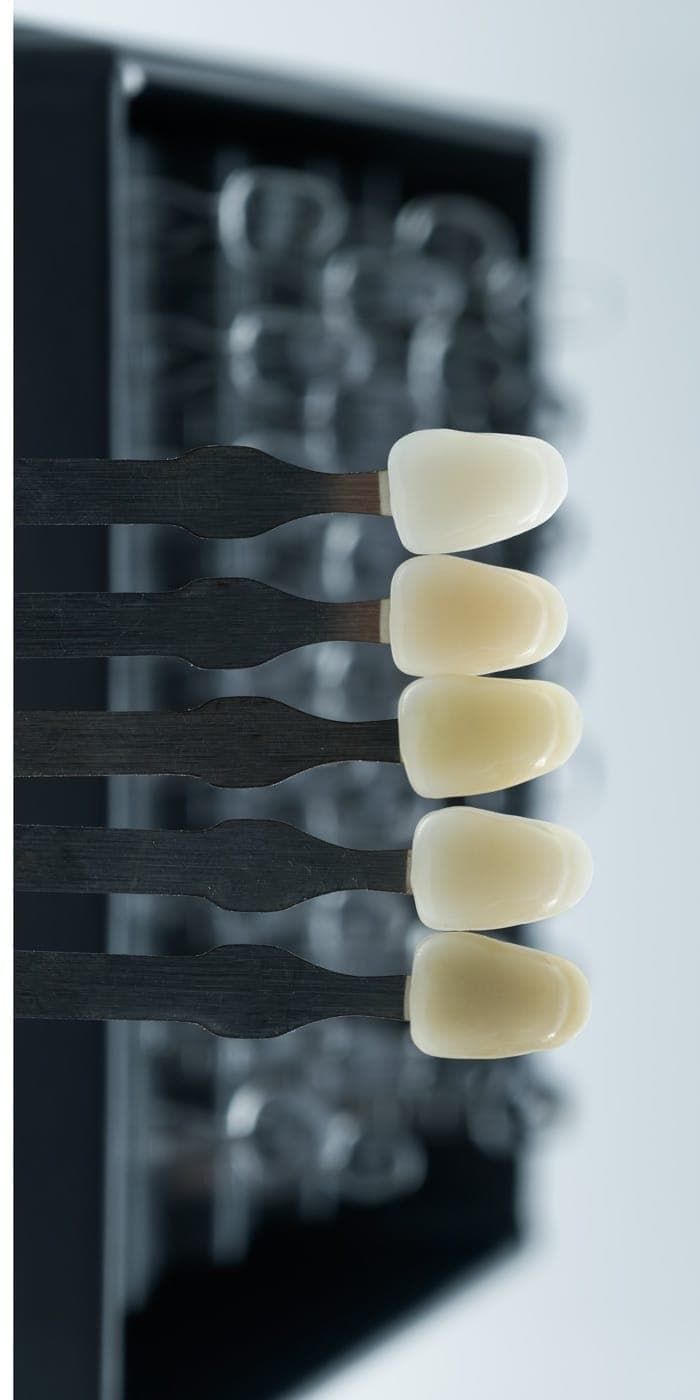

Why Is Dental Implant Care So Critical?
From Our Clinical Experience: The most important observation from our practice spanning over 10 years is this: our patients who perform proper care enjoy an average of 20-25 years of trouble-free service from their implants.
Daily Dental Implant Care: Step-by-Step Guide
How Should a Dental Implant Be Brushed?
The tools and technique you use for implant care should differ from those for your natural teeth:
- Use a soft-bristled toothbrush - hard bristles can scratch the implant surface
- Electric toothbrushes are more effective for plaque removal
- Make gentle circular movements at a 45-degree angle toward the gum line
- Brush twice daily for at least 2 minutes
- Choose a non-abrasive fluoride toothpaste
Specialized Products You Should Use for Implant Cleaning
| Product | Purpose | Frequency |
|---|---|---|
| Interdental brush | Cleaning spaces between implants | Once daily |
| Super floss | Cleaning under bridges | Once daily |
| Water flosser (Waterpik) | Deep cleaning and massage | 1-2 times daily |
| Antibacterial mouthwash | Bacterial control | Twice daily |
Practical Tip: You can enhance the cleaning effect by adding a few drops of antibacterial mouthwash to your water flosser.
Peri-Implantitis: The Silent Threat
Peri-implantitis is a serious condition that develops as a result of inflammation of the tissues around the implant. If left untreated, it can lead to implant loss.
Early Symptoms
- Bleeding around the implant
- Redness and swelling
- Bad breath
- Pain during chewing
- Pus around the implant
Prevention Strategies
- Do not neglect your daily meticulous care routine
- Get professional cleaning every 6 months
- Completely quit smoking
- Limit sugary and acidic foods
- Manage stress - stress weakens the immune system
If you would like detailed information about the relationship between smoking and implants, you can review our dedicated article.
Implant-Friendly Nutrition Guide
Your dietary habits directly affect the health of your implants:
Foods to Avoid
- Hard foods: Nuts, almonds, ice
- Sticky snacks: Chewing gum, Turkish delight, caramel
- Extremely hot/cold beverages
- Acidic drinks: Cola, energy drinks
- Alcohol - slows healing
Implant-Friendly Foods
- Plenty of water - supports oral hygiene
- Calcium-rich dairy products
- Omega-3 containing fish varieties
- Antioxidant-rich vegetables and fruits
- Protein-rich eggs, chicken
Nutrition Tip: Prefer soft-textured foods for the first 2 weeks, then gradually return to your normal diet.
Professional Follow-Up and Check-Ups
No matter how meticulous your home care is, professional follow-up is indispensable:
Check-Up Schedule
- First year: Check-up every 3 months
- From the 2nd year onward: Check-up every 6 months
- In case of problems: Schedule an appointment immediately
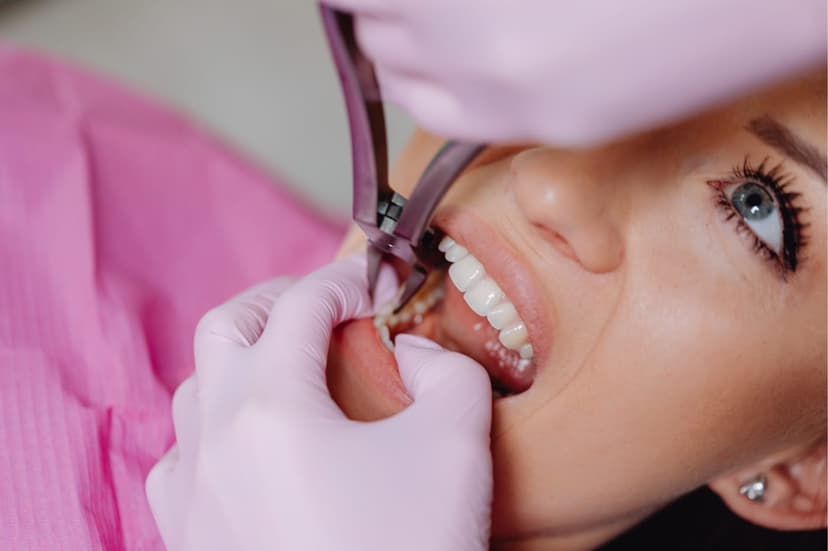
Professional Cleaning Process
- Ultrasonic cleaning for plaque and tartar removal
- Polishing for surface smoothing
- Fluoride application for protection
- Radiographic check for bone evaluation
You can learn more about implant lifespan in our detailed guide.
Related Treatment Pages
This content is for informational purposes only and does not replace medical diagnosis or treatment. Please consult a specialist for decisions about your oral and dental health.