
What Is a Dental Implant? The Miracle of Modern Dentistry
At our clinic in Maltepe, we provide our patients with permanent solutions using the most up-to-date implant technologies. So how long do dental implants really last? Let us examine the answer to this question in detail.
Dental Implant Lifespan: Realistic Expectations and Scientific Data
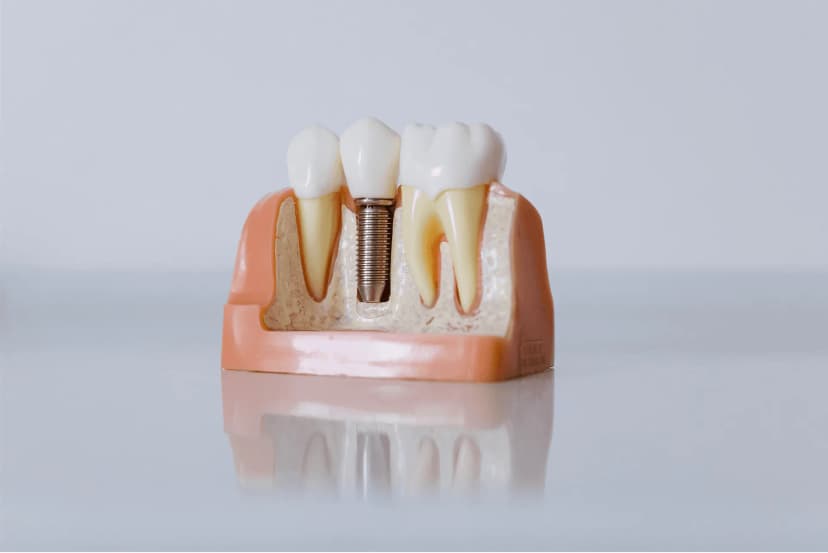
When properly placed and adequately maintained, dental implants can last a lifetime. However, this topic needs to be evaluated from two different component perspectives:
- Titanium screw (implant body): Becomes permanent after fully integrating with the jawbone. This process, called osseointegration, refers to the implant fusing with the jawbone. The osseointegration process is critically important for implant longevity.
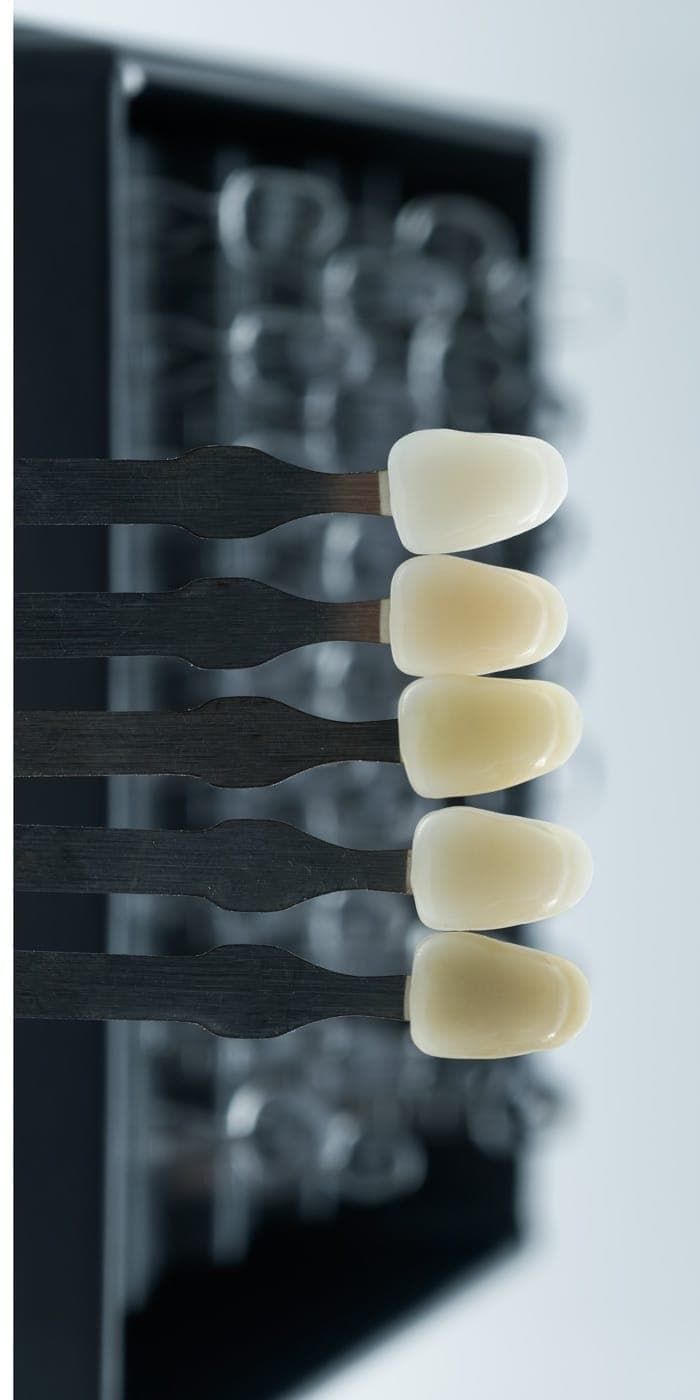
- Superstructure (crown): Typically has a lifespan of 10-15 years. Superstructures can be made from materials such as zirconia or porcelain, and there are differences in aesthetics and durability between them. You can learn more about zirconia or porcelain implants.
Scientific Data: Research shows that the 20-year success rate of quality implants is above 95%.
Critical Factors Determining Implant Lifespan
Oral Hygiene and Daily Care Routine
The most fundamental requirement for a long-lasting implant is excellent oral hygiene. Key points to consider regarding implant care and cleaning:
- Brushing at least twice daily
- Using dental floss or interdental brushes
- Daily care with antibacterial mouthwash
- Cleaning around the implant with an oral irrigator
Regular Professional Follow-Up and Check-Ups
Dental check-ups every 6 months are essential for maintaining implant health:
- Early detection of problems
- Professional dental scaling
- Evaluation of the tissue around the implant
- Radiographic check when needed
Systemic Health Status and Risk Factors
Your general health directly affects implant success:
- Diabetes: While controlled diabetes does not pose a problem for implants, uncontrolled blood sugar can delay healing
- Osteoporosis: Can affect bone density and make implant retention more difficult
- Smoking: Increases the risk of implant failure by 2-3 times
You can get detailed information on who cannot get implants.
Golden Rules for Maximizing Implant Lifespan
Daily Care Protocol
- Special brushing technique: Clean around the implant gently with circular motions
- Interdental cleaning: Perform daily cleaning with dental floss or interdental brushes
- Oral irrigator use: Clean plaque at the base of implants with pressurized water
- Antibacterial mouthwashes: Use 2-3 times per week is recommended
Behaviors to Avoid
- Overloading with hard foods: These behaviors can indirectly shorten implant lifespan by damaging the superstructure and surrounding bone rather than the titanium body itself. Avoid hard foods such as unshelled nuts and ice cubes.
- Using as a tool: Never use as a bottle opener or nutcracker.
- Teeth grinding: If you have bruxism, use a night guard.
- Smoking and alcohol: These habits increase the risk of infection around the implant.
Nutrition and Lifestyle Recommendations
| Beneficial | Harmful |
|---|---|
| Calcium-rich foods | Excessively sugary beverages |
| Omega-3 fatty acids | Very hard snacks |
| Adequate water intake | Smoking and alcohol |
| Regular exercise | Stressful lifestyle |
Quality and Durability Differences Among Implant Brands
Quality implant brands offer significant advantages in terms of longevity:
World-Class Brands
- Straumann: Swiss-made, 98%+ success rate
- Nobel Biocare: Swedish origin, lifetime warranty
- Astra Tech: Durability proven through long-term clinical research
Important Note: Even the highest quality brand can show early failure if proper care is not maintained.
Digital implant planning ensures the right brand selection and optimal placement.
Technological Innovations and Their Effects on Lifespan
- Surface treatments: Special surfaces like SLA and TiUnite enhance bone retention
- Conical connection: Minimizes bacterial leakage
- Platform switching: Design that prevents bone loss
Early Signs of Implant Failure
If you notice any of the following conditions, contact our clinic immediately:
- Persistent pain and sensitivity
- A sensation of looseness in the implant
- Discomfort during chewing
- Swelling and bleeding around the implant
- Bad taste and odor in the mouth
You can distinguish between normal and abnormal symptoms with detailed information about the post-implant healing process. You can learn more about causes of implant failure.
Long-Term Cost Analysis: Implant vs Other Options
| Treatment Option | Initial Cost | 20-Year Total Cost | Comfort | Durability |
|---|---|---|---|---|
| Dental Implant | High | Medium | Excellent | Lifetime |
| Bridge | Medium | High | Good | 10-15 years |
| Removable Prosthesis | Low | Medium-High | Poor | 5-7 years |
You can see the long-term advantages of implants in the implant vs bridge comparison.
Related Treatment Pages
This content is for informational purposes only and does not replace medical diagnosis or treatment. Please consult a specialist for decisions about your oral and dental health.