
Guided Implant Surgery: Safe Treatment with Digital Precision
Conventional vs. Guided Surgery: What's the Difference?
Conventional implant surgery is based on the clinician's experience and 2D X-ray images. Guided surgery, on the other hand, fully digitalizes this process:
| Feature | Conventional Surgery | Guided Surgery |
|---|---|---|
| Planning | 2D X-ray + experience | 3D digital modeling |
| Precision | Human factor involved | Millimetric accuracy |
| Duration | 30-45 minutes | 10-15 minutes |
| Complication Risk | Moderate-high | Minimal |
| Need for Sutures | Generally required | Mostly unnecessary |
Fact: The margin of error in guided surgery is less than 1%. Even the natural tremor of the human hand is eliminated, as the surgical guide only allows the implant to be placed at the correct angle.
Guided Implant Process: Step by Step
1. Creating Your Digital Map
- 3D Cone Beam CT (CBCT) details the bone structure.
- Intraoral scanning images teeth and soft tissues.
- Nerve canals and critical anatomical structures are marked.
2. Virtual Surgery Planning
- The ideal position of the implant is determined using specialized software. The implant planning process begins at this stage.
- The shape and position of the future tooth are designed.
- Bone quality and density are analyzed.
3. Surgical Guide Fabrication
- A custom guide is produced using 3D printing technology.
- The guide contains only the necessary openings for the implant.
- Perfect intraoral fit is ensured.
4. Precise and Fast Surgery
- The surgical guide is placed in the mouth.
- The implant is placed only at the angle directed by the guide.
- The procedure is completed with no sutures and minimal bleeding.
Who Is It Ideal For?
Guided surgery provides significant advantages especially in these situations:
- Patients with limited bone thickness - Every millimeter counts.
- Those on blood thinners - Minimal bleeding risk.
- Anterior aesthetic concerns - Perfect gingival contours.
- Multiple implant patients - Parallelism in treatments like All-on-4 implant.
- Those with surgical anxiety - Fast and predictable process.
Contact us to find out if this is an ideal solution for you.
Surgical Guide: The Physical Counterpart of Digital Precision
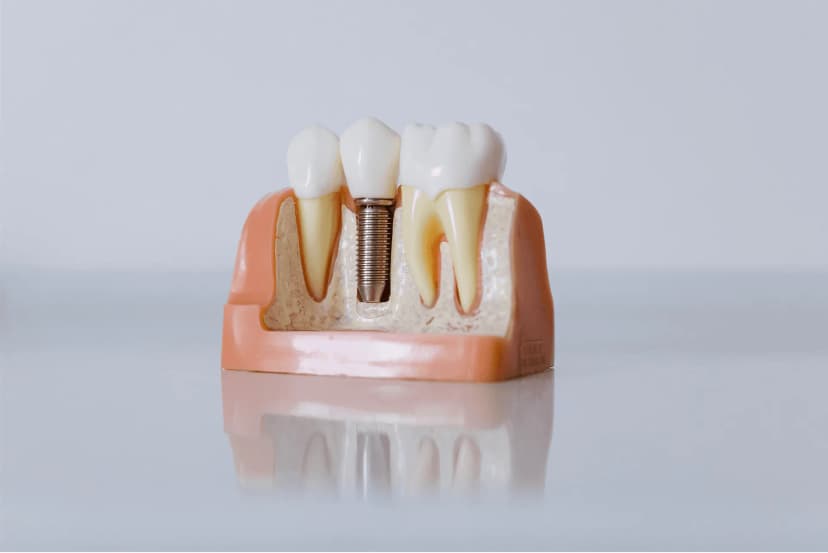
The surgical guide is the physical navigator of digital planning. This special tool:
- Provides millimetric fit to your oral anatomy.
- Allows the implant to be placed only at the correct angle.
- Provides highly reliable guidance for the surgeon.
- Dramatically reduces surgery time.
From our clinical experience: In over 10 years of practice, we have observed that 98% of our patients who undergo guided surgery say "it was much easier than I expected" after the operation.
Technological Innovations and the Future
Digital dentistry is constantly evolving. Innovations such as AI-assisted planning, augmented reality guidance, and robotic surgery are making guided implant surgery even more refined.
At our Maltepe clinic, we offer these advanced treatment options to our patients with our state-of-the-art digital infrastructure. If you would like to see our surgical guide technology up close, you can schedule an appointment.
Related Treatment Pages
This content is for informational purposes only and does not replace medical diagnosis or treatment. Please consult a specialist for decisions about your oral and dental health.