
✍️ Authored by: Dr. Aykut Gürel — Specialist in Oral, Dental and Maxillofacial Surgery 10+ years of clinical experience, 3,000+ surgical cases. This guide is based on protocols Derya Dental Clinic uses for post-operative patient education. Last updated: 7 May 2026
The First 24 Hours — Most Critical
The first 24 hours form the foundation of recovery. A blood clot is forming over the surgical site to seal it; protecting that clot is critical.
Gauze Pad Use
- Bite firmly on the gauze pad placed at surgery for 30–45 minutes
- Replace it when soaked with blood
- Once bleeding slows (usually after 2 hours), no further gauze is needed
What NOT to Do
- ❌ Do not rinse, spit, or use mouthwash
- ❌ Do not drink with a straw (sucking dislodges the clot)
- ❌ Do not smoke (smoking increases dry-socket risk by 4–5×)
- ❌ Do not drink alcohol
- ❌ Do not exercise or do strenuous physical activity
- ❌ Do not touch the surgical site with your tongue or finger
Cold Compress
- 15 min on, 15 min off — for the first 24 hours
- Apply over the cheek (not directly on skin — wrap in cloth)
- Reduces swelling and bruising
Pain Management
- Take prescribed analgesics on schedule (don't wait for pain to peak)
- Paracetamol or NSAID — your surgeon will guide which
- For severe pain unresponsive to medication — call your surgeon
Sleeping Position
- Sleep with head elevated (2 pillows)
- Reduces swelling and bleeding overnight
- First night: rest at home, avoid travel
Days 2–3: Peak Swelling and Discomfort
Swelling typically peaks at 48–72 hours then begins to subside.
Cold to Warm Compress Transition
- After 24 hours, switch to warm compresses (15 min on, off)
- Heat increases circulation, accelerates healing
Mouth Care
- Begin gentle saltwater rinses — 1 tsp salt in 1 cup warm water
- Rinse 4–5 times a day, especially after meals
- Don't rinse forcefully — let water flow through the mouth gently
Diet
- Soft foods: yogurt, mashed potatoes, soup (lukewarm), oatmeal, scrambled eggs, pudding
- Avoid hot, spicy, hard, crunchy or seedy foods
- Stay well-hydrated
Medication
- Continue antibiotics if prescribed (full course)
- Continue pain management on schedule
Activity
- Light walking is fine
- No exercise, swimming, sauna, or strenuous activity
- Avoid bending head down (increases bleeding)
Days 4–7: Normalization Begins
By day 4, most patients feel significantly better.
Diet Progression
- Soft foods → semi-soft (pasta, well-cooked vegetables, finely chopped meat)
- Continue avoiding sharp foods, seeds, popcorn
Sutures
- Resorbable sutures: dissolve in 7–10 days
- Non-resorbable sutures: removed at the 7-day follow-up
- Don't pull on sutures with your tongue
Mouth Care
- Continue saltwater rinses 3–4 times daily
- Begin gentle brushing of the surgical area (with a soft toothbrush)
- Don't brush directly on the suture line yet
Activity
- Light desk work — typically OK
- Heavy lifting / sports — wait
Weeks 2–4: Soft Tissue Healing
Diet
- Gradually return to a normal diet
- Hard or chewy foods: cautiously after 2 weeks
- Avoid the surgical site when possible (chew on the other side)
Mouth Care
- Normal brushing + flossing
- Continue saltwater rinses
- Use soft brush over the surgical area
Activity
- Most activities resume
- Sports / heavy lifting — confirm with surgeon
What to Watch For
- Any swelling that returns or worsens
- Increasing pain instead of decreasing
- Pus discharge
- Persistent foul taste/smell
- Fever > 38 °C
- → Contact your surgeon immediately if any appear
Special Cases
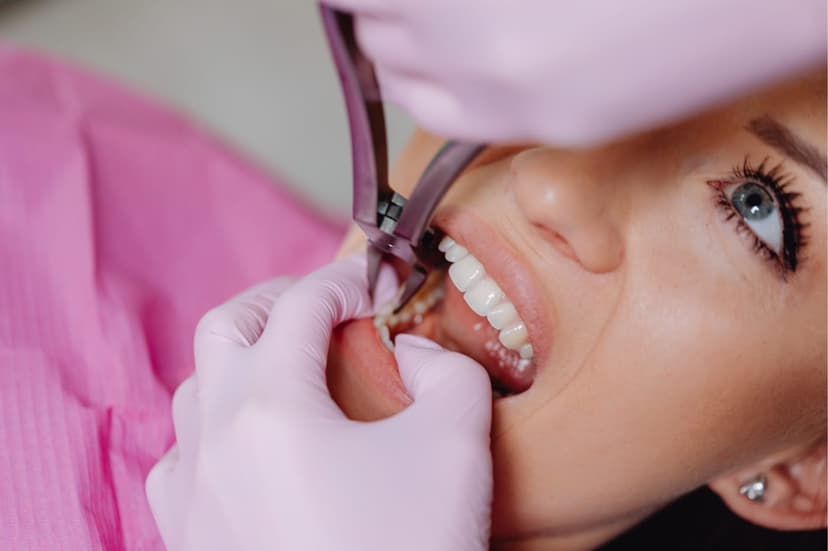
After Wisdom Tooth Extraction
- Recovery: 5–7 days for soft tissue, 6–8 weeks for bone
- Watch for dry socket (severe pain on day 3–5 with foul taste)
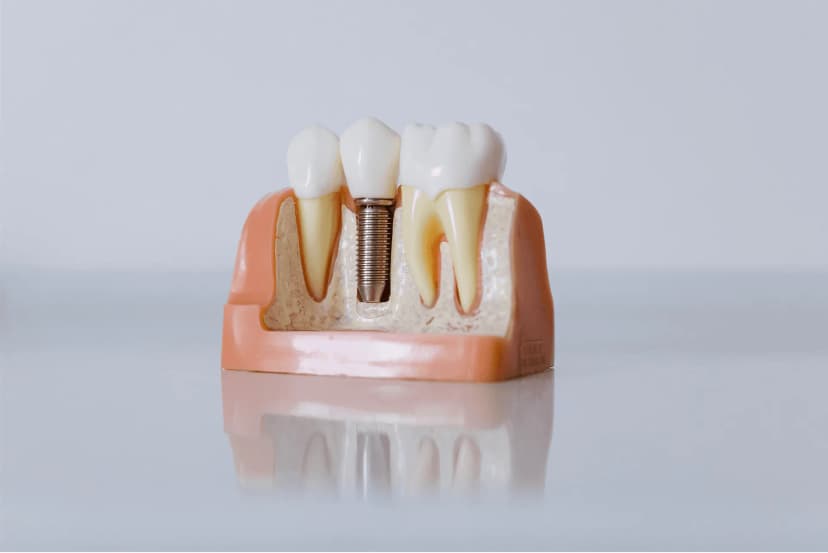
After Dental Implant Surgery
- Soft tissue healing: 1–2 weeks
- Osseointegration: 3–6 months (no chewing on implant area)
- No biting on the implant during healing
- Cleaning: gentle brushing + interdental brush
After Bone Graft / Sinus Lift
- Avoid blowing your nose (sinus lift) for 2 weeks
- No straws, no sucking
- Sneeze with mouth open
- Healing: 4–9 months for graft maturation
After Cyst Surgery
- Soft tissue heals in 2–4 weeks
- Bone fill takes 6–12 months
- Annual follow-up x-rays for keratocyst
After Orthognathic Surgery
- Liquid diet for 1–2 weeks
- Soft diet for 4 weeks
- Limited mouth opening for 6 weeks
- Return to work: 3–4 weeks
- Sports: 2–3 months
After Coronectomy
- Similar to wisdom tooth extraction
- Watch for late infection (uncommon)
- 6-month panoramic x-ray for follow-up
Foods Allowed and to Avoid
✅ Days 1–7 — Allowed
| Category | Examples |
|---|---|
| Liquids | Water, lukewarm soup, smoothies (no straw!), milk, juice |
| Soft proteins | Yogurt, scrambled eggs, well-cooked fish |
| Soft carbs | Mashed potatoes, oatmeal, pasta (well-cooked) |
| Soft fruits | Banana, applesauce, pureed fruit |
| Soft veg | Pureed vegetables, well-cooked carrots |
❌ Days 1–14 — Avoid
| Category | Examples |
|---|---|
| Hard | Nuts, seeds, popcorn, hard bread, crackers |
| Chewy | Tough meat, gum, caramel |
| Spicy | Hot sauce, raw onion, chilies |
| Acidic | Citrus juices, vinegar |
| Carbonated | Soda, sparkling water |
| Hot | Hot soup, hot tea |
| Sticky | Caramel, gum, sticky candy |
Medication Use
Pain Relievers
- Paracetamol or ibuprofen — typically prescribed for first 3–5 days
- Take on schedule for the first 48 hours (don't wait for pain)
- After 48 hours, take as needed
- Avoid aspirin (increases bleeding)
Antibiotics
- Take the full course — even if you feel better
- Don't skip doses
- Continue until completion (usually 5–7 days)
Mouth Rinse
- Chlorhexidine 0.12 % — typically 7–10 days
- Use for 1 minute, 2× per day
- Don't eat or drink for 30 minutes after
Other
- Don't take new medications without consulting your surgeon
- If on blood thinners (anticoagulants) — inform your surgeon pre-op
Recovery Timeline at a Glance
| Time | Milestones |
|---|---|
| 0–24 hours | Bleeding, gauze, cold compress, pain management |
| Days 2–3 | Peak swelling, soft diet, gentle saltwater rinses |
| Days 4–7 | Normalization begins, suture removal if needed |
| Weeks 2–4 | Soft-tissue healing complete, normal brushing |
| 6 weeks | Mouth opening normal, regular diet |
| 3 months | Initial bone fill (50–60 %) |
| 6 months | Implant osseointegration / bone fill (~80 %) |
| 12 months | Full bone remodeling |
When to Contact Your Surgeon
Call immediately if you experience:
- Bleeding that does not slow after 4 hours of pressure
- Pain that worsens after day 3 (instead of improving)
- Pus discharge from the surgical site
- Fever > 38 °C
- Severe swelling on the opposite side of the face
- Difficulty breathing or swallowing
- Numbness lasting beyond 1 month (in lower jaw cases)
- Sutures that loosen or detach early
- Allergic reaction to medication (rash, itching, breathing)
Academic References
The medical content in this guide draws on the following independent academic sources:
-
Bouloux GF, Steed MB, Perciaccante VJ. Complications of third molar surgery. Oral and Maxillofacial Surgery Clinics of North America, 2007. https://pubmed.ncbi.nlm.nih.gov/18088882/
-
Carrasco-Labra A, Brignardello-Petersen R, Yanine N, Araya I, Guyatt G. Secondary versus primary closure techniques for the prevention of postoperative complications following removal of impacted mandibular third molars: a systematic review and meta-analysis. Journal of Oral and Maxillofacial Surgery, 2012. https://pubmed.ncbi.nlm.nih.gov/22789578/
-
Larrazábal C, García B, Peñarrocha M, Peñarrocha M. Influence of oral hygiene and smoking on pain and swelling after surgical extraction of impacted mandibular third molars. Journal of Oral and Maxillofacial Surgery, 2010. https://pubmed.ncbi.nlm.nih.gov/20096495/
-
Bortoluzzi MC, Manfro R, De Déa BE, Dutra TC. Incidence of dry socket, alveolar infection, and postoperative pain following the extraction of erupted teeth. Journal of Contemporary Dental Practice, 2010. https://pubmed.ncbi.nlm.nih.gov/20452015/
-
Esposito M, Grusovin MG, Worthington HV. Interventions for replacing missing teeth: antibiotics at dental implant placement. Cochrane Database of Systematic Reviews, 2013. https://pubmed.ncbi.nlm.nih.gov/23904048/
This guide is for general post-operative patient education. Your surgeon's case-specific instructions take priority. For surgical consultation or follow-up, contact Derya Dental Clinic in Maltepe, Istanbul. Get in touch or schedule via WhatsApp.
Last updated: 7 May 2026 — Medical review: Dr. Aykut Gürel.
Related Treatment Pages
This content is for informational purposes only and does not replace medical diagnosis or treatment. Please consult a specialist for decisions about your oral and dental health.