
01
What Is a Temporary Prosthesis?
02
When Is a Temporary Prosthesis Used?
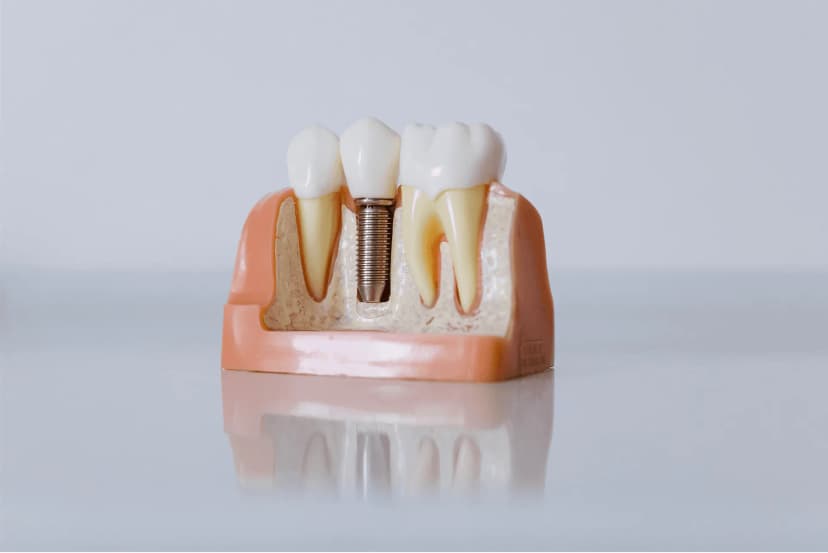
- During post-implant healing: While waiting for the implant to integrate with the bone (3-6 months)
- In All-on-4 implant treatment: A fixed temporary prosthesis is placed the same day
- During crown and bridge preparation: While the permanent prosthesis is being fabricated in the laboratory
- After tooth extraction: To prevent loss of aesthetics and function
03
Types of Temporary Prostheses
Removable Temporary Prosthesis
- Acrylic prosthesis that can be inserted and removed
- Typically used during the implant healing period
- Economical solution
Fixed Temporary Prosthesis
- Attached to adjacent teeth or implants
- A more comfortable and natural-feeling option
- Preferred in immediate implant cases
Temporary Crown
- Used after tooth preparation until the permanent crown arrives
- Protects the prepared tooth and prevents sensitivity
04
How Long Is a Temporary Prosthesis Used?
| Treatment Type | Temporary Prosthesis Duration |
|---|---|
| Implant (conventional) | 3-6 months |
| All-on-4 implant | Same-day fixed temporary, permanent after 3-6 months |
| Crown/bridge | 1-2 weeks |
| After bone grafting | 4-9 months |
05
Temporary Prosthesis Care
- Avoid hard and sticky foods
- Brush gently
- Remove the removable prosthesis every night and clean it
- Use denture cleaning tablets
- Attend regular dental check-ups
06
Can a Temporary Prosthesis Cause Problems?
Temporary prostheses may not be as comfortable as permanent ones. Possible situations include:
- Difficulty speaking and eating in the first few days (you will adapt within a few days)
- Slight movement or looseness (consult your dentist)
- Color and shape differences (the permanent prosthesis is much more aesthetic)
Important: If you experience any issues with your temporary prosthesis, contact your dentist immediately. Loosening or dislodgement of the prosthesis can negatively affect the underlying treatment.
Related Treatment Pages
This content is for informational purposes only and does not replace medical diagnosis or treatment. Please consult a specialist for decisions about your oral and dental health.