Subperiosteal Implant: An Innovative Dental Solution for Those with Bone Loss

Ağız, Diş ve Çene Cerrahisi Uzmanı
Çene cerrahisi uzmanı Aykut Gürel, İstanbul Üniversitesi mezunu olup uzmanlık eğitimini Marmara Üniversitesi Ağız, Diş ve Çene Cerrahisi Anabilim Dalı'nda tamamlamıştır. Dental implantoloji, zigomatik implant cerrahisi ve dijital cerrahi planlama alanlarında çalışmaktadır.
Bu içerik Uzm. Dt. Aykut Gürel tarafından hazırlanmıştır. Yalnızca bilgilendirme amaçlıdır; klinik muayene yerine geçmez.
Son güncelleme: March 18, 2026
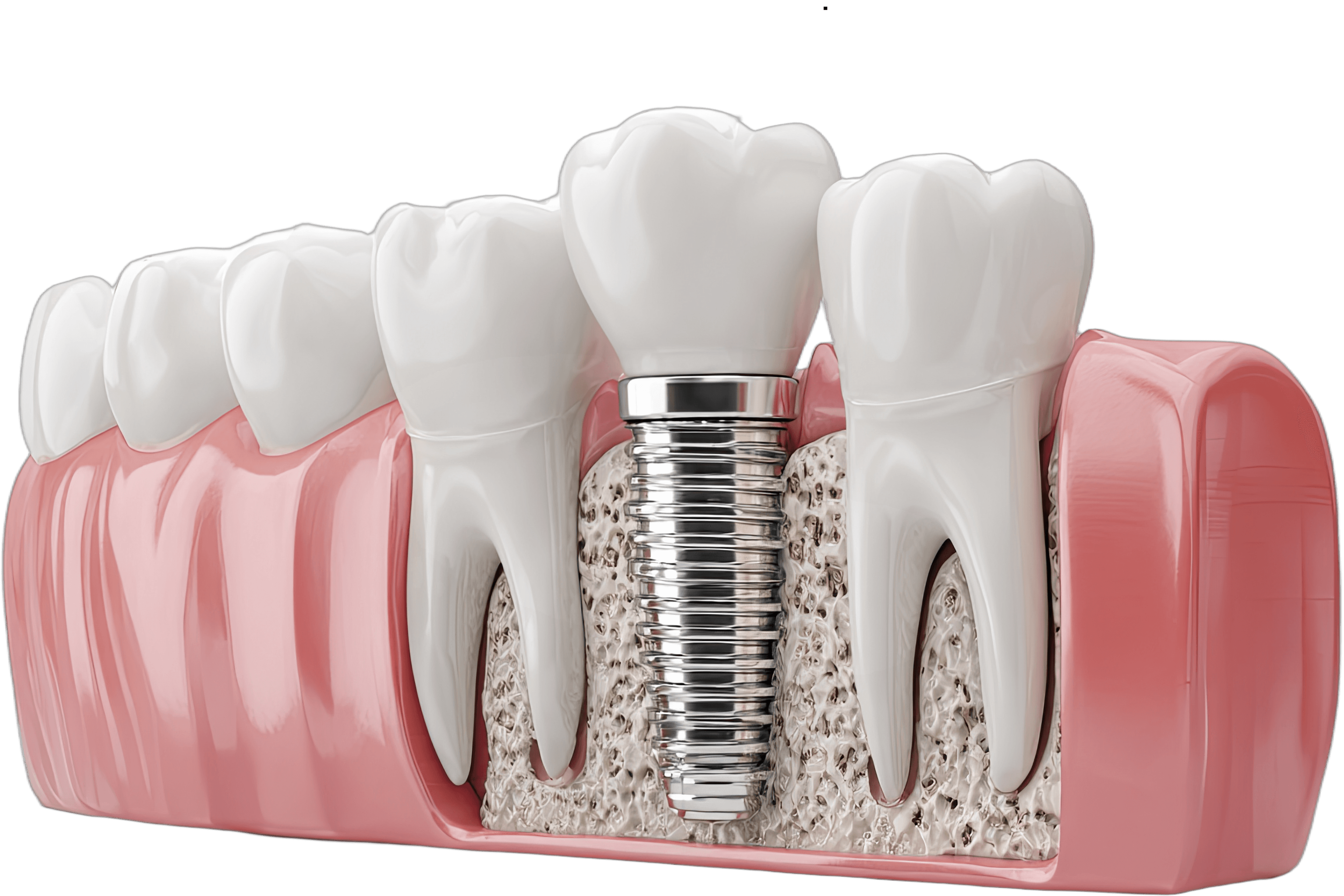
The subperiosteal implant is a specialized metal framework system placed on the upper surface of the jawbone, between the periosteum (membrane beneath the gum tissue) and the bone. Unlike conventional implants, this type does not penetrate into the bone and does not fuse with it. Developed in the past for patients with insufficient bone volume, this method is rarely preferred today due to the availability of much more effective alternatives.
Subperiosteal Implant: A Historical Dental Solution and Modern Alternatives
Important Note: Subperiosteal implants are a largely abandoned method today. Modern dentistry offers much more successful alternatives for patients with bone loss.
Key Differences from Conventional Implants
The main differences between subperiosteal implants and conventional implants are:
- Placement location: Placed on top of the bone, not inside it
- Integration: Does not fuse with the bone; is only surrounded by soft tissue
- Stability: Provides mechanical retention, no biological integration
- Reason for application: Developed as an alternative for cases with insufficient bone volume
In our modern implantology practice, we prefer to increase bone volume through methods such as bone grafting and sinus lifting for patients with bone deficiency, followed by conventional implant placement.
Application Mechanism and Process
How Does a Subperiosteal Implant Work?
- Impression stage: In the first surgery, the jawbone is exposed and an impression is taken from the bone surface
- Implant fabrication: A custom metal framework is manufactured in the laboratory
- Placement surgery: In the second surgery, the metal framework is placed on top of the bone
- Healing process: Over approximately 3-6 months, soft tissues envelop the implant
- Prosthesis attachment: Teeth are fixed to the abutment points extending from the metal framework
Our Clinical Experience: In our 20 years of practice, we have not performed subperiosteal implant placement. This is because much more successful modern methods exist for the same patients.
Suitable Candidate Criteria (Historically)
Subperiosteal implants were previously considered in these situations:
Candidate Situations
- Patients with severe bone loss
- Cases where bone grafting was not possible
- Patients whose general health was not suitable for major surgery
- Alternative options sought for elderly patients
Today's Reality
We now offer more effective solutions for all of these situations:
- All-On-4 system for fixed teeth with minimal bone
- Zygomatic implants for graft-free treatment options
- Short implants and tilted placement techniques
Advantages and Disadvantages Analysis
| Advantages | Disadvantages |
|---|---|
| No bone penetration | Does not fuse with bone |
| No bone graft required | High failure risk |
| An option for elderly patients | Long treatment duration (2 surgeries) |
| - | Gum problems and maintenance issues |
| - | Risk of bone erosion |
| - | Poor oral hygiene |
Our Clinic's Approach: Due to these disadvantages, we recommend modern alternatives to our patients. We can always find a solution for every patient with bone loss.
Modern and Effective Alternative Treatments
All-On-4 Implant System
- Full arch fixed dental prosthesis with 4 implants
- Temporary teeth can be placed the same day
- No bone graft required
- Click for detailed information on All-On-4 implant
Zygomatic Implants
- Placed in the cheekbone (zygomatic bone)
- Ideal for severe bone loss in the upper jaw
- Graft-free treatment option
- More information about zygomatic implants
Short Implants and Tilted Placement
- Solutions with 6-8 mm short implants
- Maximum bone utilization with tilted angles
- Treatment can be completed in a single session
Bone Graft Procedures
- Volume augmentation with bone powder
- Upper jaw treatment with sinus lifting
- Repair of major defects with block grafts
Why Are Subperiosteal Implants No Longer Recommended?
Scientific Data
- 30-40% failure rate (implant failure rates)
- Average 5-7 year durability
- High complication risk
Patient Comfort
- Two separate surgeries required
- Long healing period (implant healing process details)
- Oral hygiene difficulties
- Aesthetic problems
Superiority of Modern Alternatives
- Single-session treatment option
- Lifetime durability
- Natural tooth feel
- Easy care and cleaning
Bone Loss Solutions at Derya Dental Clinic
At our clinic in Maltepe, we offer 21st-century solutions for patients with bone loss:
Evaluation Process
- 3D tomography for detailed analysis
- Bone quality and quantity measurement
- Personalized treatment planning
- Digital planning for risk minimization
Treatment Options
- All-On-4/All-On-6 systems
- Zygomatic implant procedures
- Bone graft rehabilitation
- Hybrid solutions (implant + prosthesis combinations)
Appointment Recommendation: Even if you have bone loss, we can always find a solution with modern methods. Visit our clinic for a detailed evaluation.
This content is for informational purposes only and does not replace medical diagnosis or treatment. Please consult a qualified healthcare professional for decisions regarding your oral and dental health.
Frequently Asked Questions
Answered by our specialist
Why are subperiosteal implants not used today?
I have extensive bone loss, can I still get implants?
What is the difference between All-On-4 and subperiosteal implants?
I am over 70, is implant treatment risky?
I have subperiosteal implants and am experiencing problems, what should I do?
Have questions about your treatment?
Consult our specialist doctors. Book an appointment and get a personalized treatment plan.
Related Articles

March 23, 2026
Oral and Maxillofacial Surgery in Maltepe: Safe Treatment with a Specialist
Looking for an oral surgeon in Maltepe? At Derya Dental Clinic, get impacted tooth extraction, implant surgery, jaw cyst removal, and bone grafting performed safely by Specialist Dt. Aykut Gurel.
March 23, 2026
Dental Fillings in Maltepe: Treatment Process, Types, and Prices
Looking to get a dental filling in Maltepe? Aesthetic composite fillings, porcelain inlays and onlays at Derya Dental Clinic. Filling types, prices, and care guide.
March 23, 2026
Dentist in Maltepe: Comprehensive Treatment with a Specialist Team
Looking for a dentist in Maltepe? At Derya Dental Clinic, get all your dental treatments done safely with a team of 5 dentists including an oral surgery specialist. Easy access in Findikli.