Bone Grafting and Sinus Lifting: A Comprehensive Pre-Implant Guide

Ağız, Diş ve Çene Cerrahisi Uzmanı
Çene cerrahisi uzmanı Aykut Gürel, İstanbul Üniversitesi mezunu olup uzmanlık eğitimini Marmara Üniversitesi Ağız, Diş ve Çene Cerrahisi Anabilim Dalı'nda tamamlamıştır. Dental implantoloji, zigomatik implant cerrahisi ve dijital cerrahi planlama alanlarında çalışmaktadır.
Bu içerik Uzm. Dt. Aykut Gürel tarafından hazırlanmıştır. Yalnızca bilgilendirme amaçlıdır; klinik muayene yerine geçmez.
Son güncelleme: March 18, 2026
When you lose a tooth, the jawbone gradually begins to resorb over time. This natural process compromises the bone thickness required for implant placement. Bone grafting and sinus lifting procedures solve this problem, enabling implants to be placed safely.
Bone Grafting and Sinus Lifting: A Comprehensive Pre-Implant Guide
Why Are Bone Grafting and Sinus Lifting Necessary for Dental Implants?
At our clinic, with over 10 years of experience, we perform these advanced surgical techniques with confidence. We analyze each patient's bone structure in detail using 3D tomography to determine the most appropriate treatment plan.
Why Does Jawbone Loss Occur? Fundamental Causes
- Prolonged tooth loss - Without a tooth root, the bone stops regenerating itself. Learn more about jawbone loss symptoms.
- Advanced periodontal disease - Bacteria affect the bone, initiating resorption
- Natural aging process - Bone density decreases with age
- Jaw trauma - Bone loss can occur following accidents or impacts
- Prolonged denture use - Ill-fitting dentures accelerate bone resorption
How Does Bone Grafting Work?
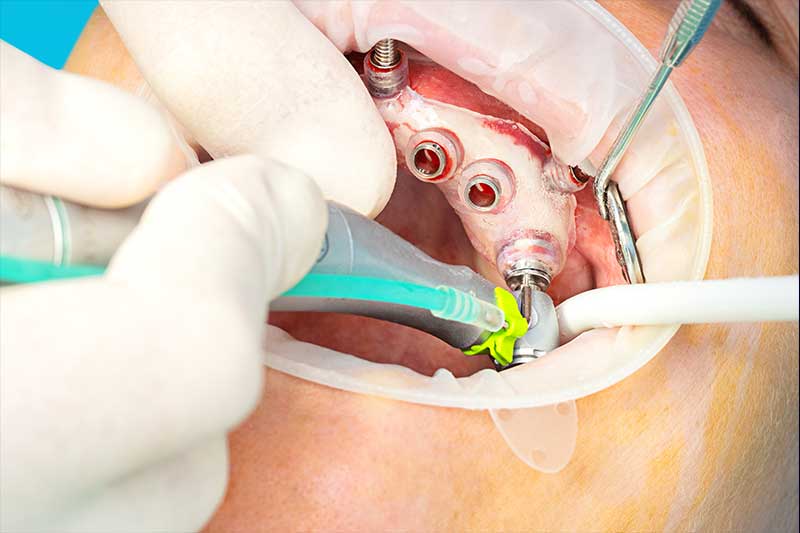
When the jawbone has resorbed, we place specialized bone particles in the deficient area. These sterile bone granules gradually fuse with your natural bone, creating a strong foundation.
Objective: To create solid, voluminous bone tissue that surrounds the implant from all directions. This allows us to gain millimeters of bone thickness around the implant.
Bone Graft Types and Characteristics
| Graft Type | Source | Advantages | Application Area |
|---|---|---|---|
| Autograft | Patient's own bone | 100% compatibility, fast healing | Major bone defects |
| Xenograft | Bovine bone (sterilized) | Abundant supply, safe | Routine implant procedures |
| Allograft | Human bone bank | Good compatibility | Moderate defects |
| Synthetic graft | Laboratory-produced | No infection risk | Small defects |
Xenograft materials are processed at 1200°C, leaving only the mineral scaffold. This ensures a 100% safe and effective outcome.
Bone Graft Surgery: Step-by-Step Process
- Preparation and anesthesia - The area is completely numbed
- Precise incision and exposure - The bone surface is revealed
- Graft material placement - Bone graft is carefully applied
- Membrane coverage - The graft is covered with a specialized barrier membrane for protection
- Closure with sutures - An optimal healing environment is created
Healing time: Within 3-6 months, bone graft particles become part of your natural bone through the osseointegration process.
Sinus Lifting: Gaining Bone Height in the Upper Jaw
When you lose your posterior upper teeth, the maxillary sinuses expand downward. During a sinus lifting procedure, we elevate the sinus membrane upward and place bone graft material beneath it.
When Is Sinus Lifting Required?
- When bone height in the upper posterior region is less than 4mm
- When the sinus cavity is too close to the implant site
- After prolonged use of upper dentures causing bone resorption
- In patients with naturally large sinus anatomy
Sinus Lifting Techniques
Lateral Sinus Lift (Open Technique):
- Access to the sinus through the lateral wall
- Ideal for significant bone loss
- Allows placement of a larger volume of bone graft
Osteotome Technique (Closed Technique):
- Sinus elevation through the implant osteotomy site
- Minimally invasive approach
- Suitable for minor sinus augmentation procedures
Post-Operative Healing Process and Care
First 24 Hours
- Cold compress application (20 minutes on, 20 minutes off)
- Soft food consumption
- Plenty of fluids (warm beverages preferred)
- See our recommendations for post-implant pain management.
During the First Week
- Avoid blowing your nose - Sinus pressure can damage the graft site
- Be careful not to sneeze forcefully
- Do not travel by air (pressure changes pose a risk)
- Do not smoke - Slows healing by up to 50%
Long-Term Care
- Attend regular follow-up appointments
- Maintain good oral hygiene
- Avoid hard foods
- Take all prescribed medications as directed
Potential Complications and Solutions
| Complication | Occurrence Risk | Solution |
|---|---|---|
| Sinus membrane perforation | 5-10% | Surgical repair, membrane use |
| Graft loss | 3-5% | Repeat graft application |
| Infection | 2-3% | Antibiotic therapy |
| Temporary numbness | 1-2% | Usually resolves spontaneously |
Experienced surgeons minimize these risks. Our clinic's complication rate is below literature averages. For more information, you may consult resources from the Turkish Dental Association or the American Dental Association.
Cost and Pricing Factors
Bone grafting and sinus lifting costs depend on the following factors:
- Amount of graft material required (measured in grams)
- Type of graft material (xenograft, autograft, etc.) and dental implant brands
- Surgical technique (open/closed sinus lift)
- Simultaneous implant placement status
For detailed pricing information, please see our dental implant pricing guide.
Success Rates and Expectations
- Bone graft success rate: 95-98%
- Sinus lifting success rate: 90-95%
- Implant integration: 98-99% (post-graft)
Expected outcomes:
- Sufficient bone thickness for implant placement within 3-6 months
- A strong structure similar to natural bone tissue
- An ideal foundation for long-term implant success
This content is for informational purposes only and does not replace medical diagnosis or treatment. Please consult a qualified healthcare professional for decisions regarding your oral and dental health.
Frequently Asked Questions
Answered by our specialist
Is bone graft surgery painful?
How long is the waiting period after sinus lifting?
Is bone graft material harmful to the body?
Is bone grafting required in flapless implant treatment?
Does public health insurance cover bone graft surgery?
I smoke. Can I still get bone grafting?
Have questions about your treatment?
Consult our specialist doctors. Book an appointment and get a personalized treatment plan.
Related Articles

March 23, 2026
Oral and Maxillofacial Surgery in Maltepe: Safe Treatment with a Specialist
Looking for an oral surgeon in Maltepe? At Derya Dental Clinic, get impacted tooth extraction, implant surgery, jaw cyst removal, and bone grafting performed safely by Specialist Dt. Aykut Gurel.
March 23, 2026
Dental Fillings in Maltepe: Treatment Process, Types, and Prices
Looking to get a dental filling in Maltepe? Aesthetic composite fillings, porcelain inlays and onlays at Derya Dental Clinic. Filling types, prices, and care guide.
March 23, 2026
Dentist in Maltepe: Comprehensive Treatment with a Specialist Team
Looking for a dentist in Maltepe? At Derya Dental Clinic, get all your dental treatments done safely with a team of 5 dentists including an oral surgery specialist. Easy access in Findikli.