Post-Implant Swelling: Timeline, Reduction Methods, and When to Be Concerned

Ağız, Diş ve Çene Cerrahisi Uzmanı
Çene cerrahisi uzmanı Aykut Gürel, İstanbul Üniversitesi mezunu olup uzmanlık eğitimini Marmara Üniversitesi Ağız, Diş ve Çene Cerrahisi Anabilim Dalı'nda tamamlamıştır. Dental implantoloji, zigomatik implant cerrahisi ve dijital cerrahi planlama alanlarında çalışmaktadır.
Bu içerik Uzm. Dt. Aykut Gürel tarafından hazırlanmıştır. Yalnızca bilgilendirme amaçlıdır; klinik muayene yerine geçmez.
Son güncelleme: March 18, 2026
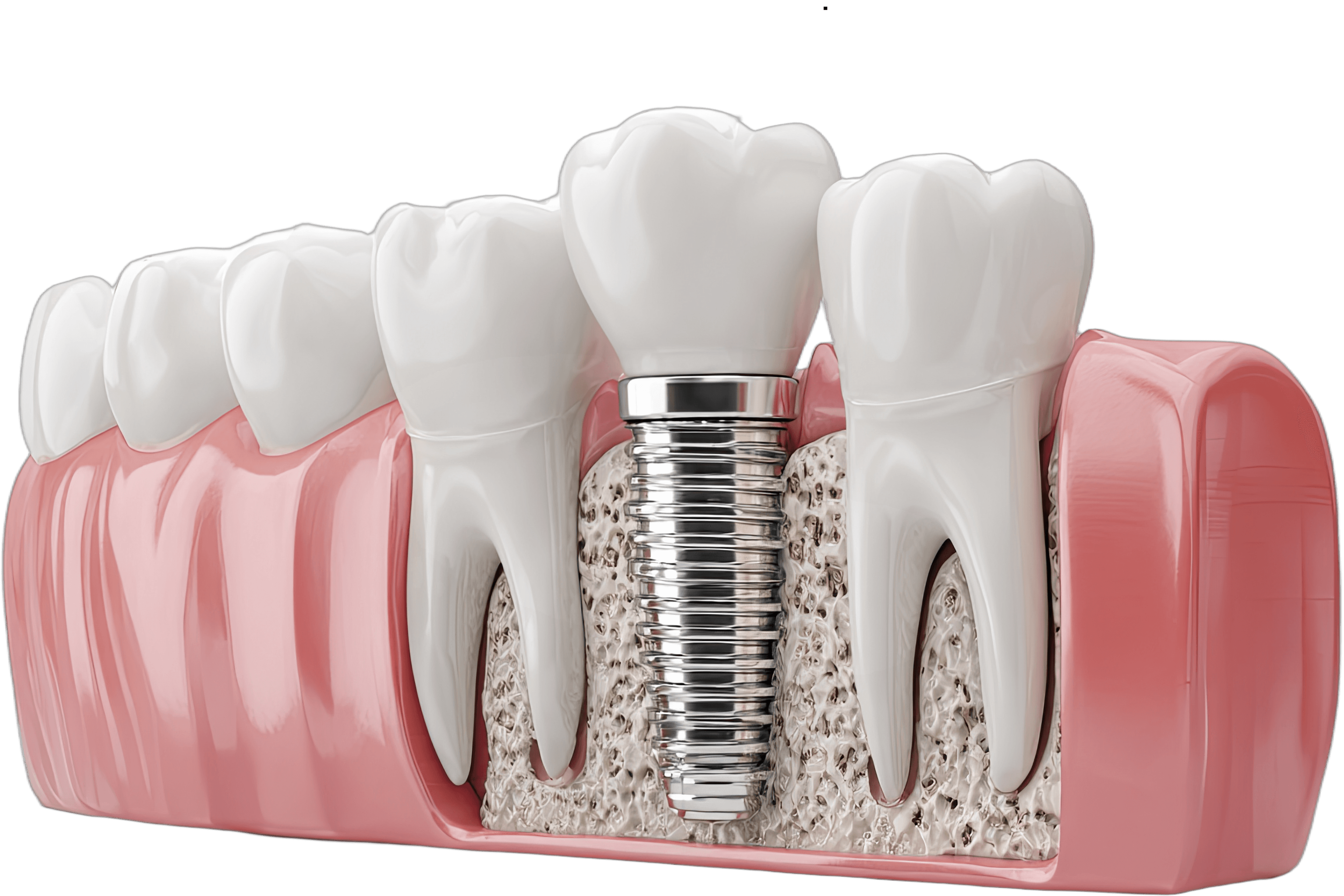
Swelling after implant surgery is a natural healing response of the body and is generally not a cause for concern. During dental implant surgery, the surrounding tissues are affected, and the body initiates the healing process by increasing blood flow to the area. Edema, or swelling, is inevitable during this natural process.
Post-Implant Swelling: Timeline, Reduction Methods, and When to Be Concerned
As observed by our specialist dental team in thousands of implant cases at our clinic, the level of swelling varies based on several factors:
- The scope and duration of the surgery
- Whether bone grafting was performed
- The individual's healing speed and age
- The surgical technique used
- Patient compliance and post-operative care
Important Note: Systemic conditions such as diabetes, hypertension, or immune system disorders can affect the healing process. In such cases, swelling duration may be extended and more careful monitoring may be required.
Swelling Timeline: What to Expect and When
First 24-48 Hours: Initial Period
- Mild swelling begins within the first 6-8 hours after surgery
- Ice application is the most effective method during this period
- Regular use of pain medication is important for painless implant treatment
- Bleeding usually stops within the first 2-4 hours
Days 2-3: Peak Period
- Swelling reaches its maximum level within 48-72 hours
- Noticeable swelling in the cheeks and edema under the chin
- Mild bruising may appear (especially with lower jaw implants)
- This period is completely normal and expected
Days 4-7: Recovery Period
- Swelling gradually begins to decrease
- If bruising is present, it transitions to a yellowish-greenish color and disappears
- You can get detailed information about implant pain and treatment process
- Transition from soft foods to normal diet can begin
Week 2 and Beyond
- Swelling largely subsides and daily activities return to normal
- Sutures are typically removed on days 7-10
- After 2-3 weeks, swelling completely disappears
- You can review the details of the post-implant recovery process
Proven Methods to Rapidly Reduce Swelling
Ice Application (First 48 Hours)
Proper ice application can reduce swelling by 40-50%:
- Apply the 20 minutes on, 20 minutes off rule
- Never place ice directly on the skin; wrap it in a thin cloth
- Gently apply to the cheek on the surgical side
- Can also be applied during sleep (use safe ice packs)
Practical Tip: A bag of frozen peas makes an excellent alternative to an ice compress. It conforms to facial contours and is reusable.
Head Position Optimization
- Keep your head elevated above your body for the first 3 nights
- Create a 30-45 degree angle using 2-3 pillows
- This position minimizes swelling by reducing blood flow
- Avoid lying on your side; try to sleep on your back
Nutrition Strategies
Recommendations for the first 3 days:
- Choose room-temperature or lukewarm foods
- Protein-rich soft foods (yogurt, soup, smoothies)
- Adequate water consumption (at least 2-2.5 liters per day)
- Avoid very hot, spicy, or acidic foods
- Smoking and alcohol are strictly prohibited
Medication Protocol
Strictly adhere to the medication regimen recommended by your dentist:
- Anti-inflammatory medications reduce swelling
- Pain medications should be taken at regular intervals
- Complete the full course of antibiotics if prescribed
- Do not discontinue any medication on your own
Emergency: When to See Your Dentist Immediately
If any of the following symptoms are observed, call our clinic immediately:
Critical Warning Signs
- Swelling continuing to increase after 5-7 days
- Temperature above 38.5 degrees C
- Foul-smelling discharge from the surgical site
- Numbness lasting more than 24 hours
- Unbearable pain despite pain medication
- Excessive, uncontrollable bleeding
- Difficulty swallowing or breathing problems
Post-Implant Infection Symptoms
- Throbbing pain like a pulse
- Temperature increase in the area
- Redness and hardening
- Change in taste in the mouth
- General weakness and chills
These symptoms are rare but early intervention significantly increases the success rate.
Additional Precautions and Expert Recommendations
Lifestyle Adjustments
| Recommended | To Avoid |
|---|---|
| Plenty of rest | Heavy physical activity |
| Soft tooth brushing | Hard chewing |
| Saltwater gargle (after day 3) | Sucking motions |
| Regular medication use | Smoking and alcohol |
Effects of Smoking and Alcohol
The relationship between smoking and dental implants is critically important:
- Smoking reduces blood circulation by 60%
- Healing time is extended 2-3 times
- Infection risk increases significantly
- Implant failure rate rises by 15-20%
Follow-Up Appointments
Our standard follow-up protocol at our clinic:
- Day 3: First check-up and evaluation
- Days 7-10: Suture removal
- Week 2: Healing check
- Month 1: General evaluation
- Month 3: Osseointegration check
This content is for informational purposes only and does not replace medical diagnosis or treatment. Please consult a qualified healthcare professional for decisions regarding your oral and dental health.
Frequently Asked Questions
Answered by our specialist
How many days does post-implant swelling last?
Is swelling greater with lower jaw implants?
Which medications are used to reduce swelling?
Can I apply heat instead of ice?
When can I exercise after implant surgery?
Have questions about your treatment?
Consult our specialist doctors. Book an appointment and get a personalized treatment plan.
Related Articles

March 23, 2026
Oral and Maxillofacial Surgery in Maltepe: Safe Treatment with a Specialist
Looking for an oral surgeon in Maltepe? At Derya Dental Clinic, get impacted tooth extraction, implant surgery, jaw cyst removal, and bone grafting performed safely by Specialist Dt. Aykut Gurel.
March 23, 2026
Dental Fillings in Maltepe: Treatment Process, Types, and Prices
Looking to get a dental filling in Maltepe? Aesthetic composite fillings, porcelain inlays and onlays at Derya Dental Clinic. Filling types, prices, and care guide.
March 23, 2026
Dentist in Maltepe: Comprehensive Treatment with a Specialist Team
Looking for a dentist in Maltepe? At Derya Dental Clinic, get all your dental treatments done safely with a team of 5 dentists including an oral surgery specialist. Easy access in Findikli.