Does a Dental Implant Hurt? Painless Surgery and Recovery Guide

Ağız, Diş ve Çene Cerrahisi Uzmanı
Çene cerrahisi uzmanı Aykut Gürel, İstanbul Üniversitesi mezunu olup uzmanlık eğitimini Marmara Üniversitesi Ağız, Diş ve Çene Cerrahisi Anabilim Dalı'nda tamamlamıştır. Dental implantoloji, zigomatik implant cerrahisi ve dijital cerrahi planlama alanlarında çalışmaktadır.
Bu içerik Uzm. Dt. Aykut Gürel tarafından hazırlanmıştır. Yalnızca bilgilendirme amaçlıdır; klinik muayene yerine geçmez.
Son güncelleme: March 18, 2026
The biggest concern of our patients experiencing tooth loss is the question who can get implants "does a dental implant hurt?" In our clinical experience spanning over 10 years, we observe that these fears are largely unnecessary. Thanks to modern anesthesia techniques, dental implant surgery is now a completely painless procedure.
Does a Dental Implant Hurt? Painless Treatment with Modern Anesthesia
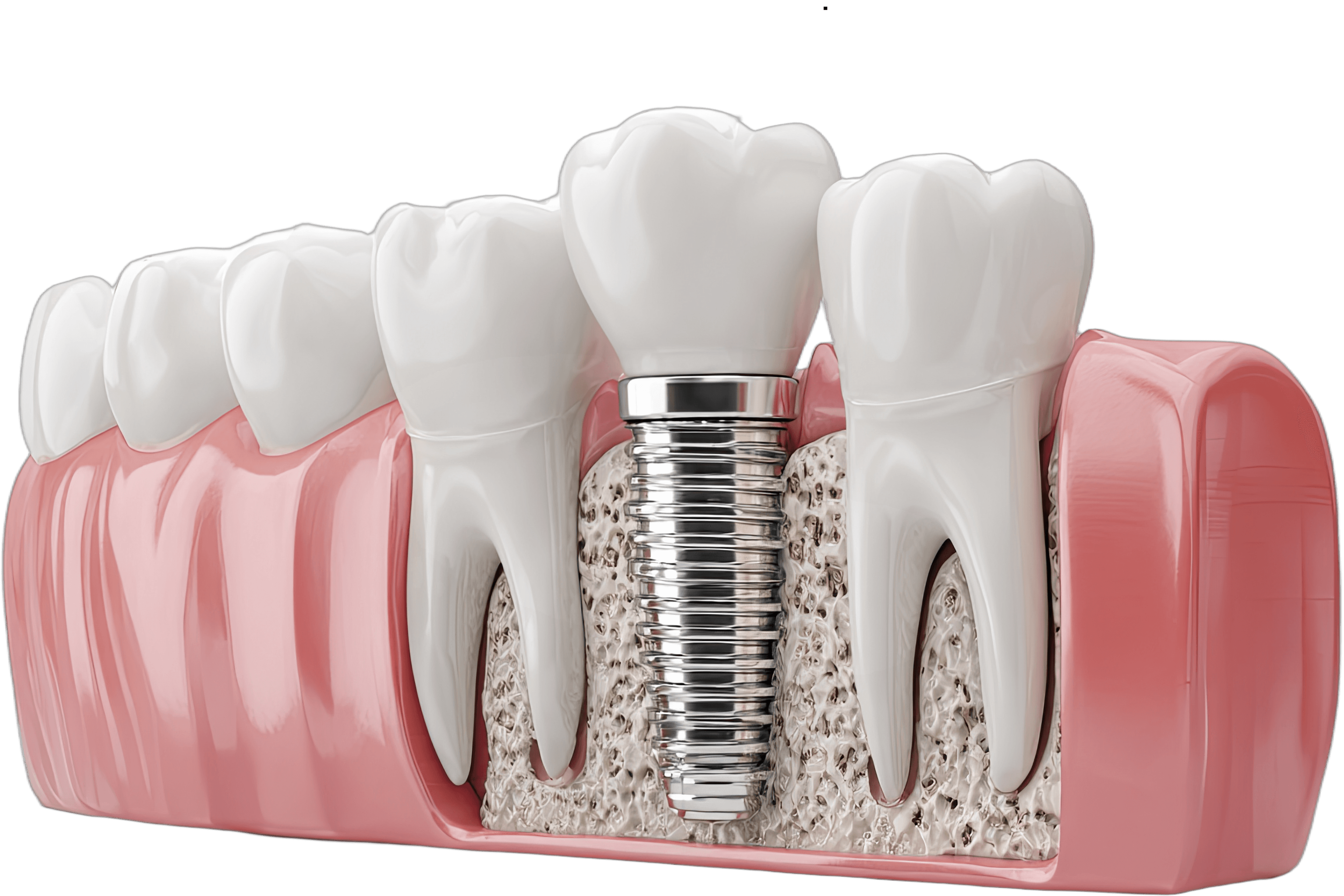
Dental implants consist of prosthetic teeth mounted on titanium screws placed into the jawbone to replace lost teeth. This method is the most ideal solution from both an aesthetic and functional standpoint.
Is Pain Felt During Implant Surgery?
You will not feel any pain during dental implant surgery. The reasons are:
- Effective local anesthesia completely numbs the surgical area
- Only mild pressure or vibration may be felt
- Pain nerves are completely blocked throughout the procedure
- Safe application under the control of an experienced surgeon
Clinical Experience: In the thousands of implant surgeries we have performed at Derya Dental Clinic, our patients report feeling only mild pressure during the procedure.
Anesthesia Options and Comfort Measures
Types of anesthesia used in implant surgery:
Local Anesthesia
- The relevant area is completely numbed
- Pain nerves are blocked
- Only a mild sensation of pressure may occur
- The most commonly used method
Sedation (Conscious Relaxation)
- Ideal for patients with dental phobia
- Comfortable treatment in a semi-sleep state
- Conscious but relaxed condition
- Preferred for special situations
You can consider our sutureless implant treatment option for a more comfortable experience with sutureless implant treatment.
Post-Operative Pain Expectations
Situations that may occur in the post-operative period:
| Time Period | Expected Condition | Management |
|---|---|---|
| First 2-4 hours | Anesthesia effect | Ice application |
| Day 1 | Mild soreness | Pain medication |
| Days 2-3 | Minimal discomfort | Regular medication |
| Days 4-7 | Healing process | Soft diet |
First 24 Hours
- Ice application minimizes swelling
- Recommended pain medications provide relief
- Antibiotic use prevents infection
Days 3-7
- Swelling begins to decrease
- Need for pain medication decreases
- Return to normal activities begins
Effective Pain Management Strategies
Important recommendations for your post-operative comfort:
- Regular medication use: Medications taken before pain begins are more effective
- Cold application: In 20-minute intervals for the first 48 hours
- Soft diet: Avoid hot and hard foods
- Oral hygiene: Regular cleaning with the recommended mouthwash
Expert Advice: For detailed information about post-implant swelling and pain management, you can review our post-implant swelling guide.
Step-by-Step Recovery Process
Steps to follow for a successful recovery:
- Surgery day: Complete rest and ice application
- Days 1-3: Pain medication use and soft diet
- Days 4-7: Gradual return to normal
- Weeks 2-3: Follow-up examination and suture removal
- Months 3-6: Bone integration process
Factors That Accelerate Healing
Key points for faster recovery:
- Smoking and alcohol: Must be quit or reduced
- Regular check-ups: Adherence to scheduled appointments
- Hygiene rules: Recommended cleaning routine
- Nutrition: Protein-rich, soft foods
For smokers, our specific recommendations are detailed in our article on smoking and dental implants.
Warning Signs to Watch For
Situations that may occur outside the normal healing process:
Normal Conditions
- Mild soreness for the first 3 days
- Minimal swelling
- Slight bleeding
- Difficulty swallowing
Conditions Requiring Doctor Consultation
- Unbearable pain (after day 4)
- Excessive increase in swelling
- Elevated temperature
- Persistent bleeding
If any of these occur, you should immediately contact our clinic in Maltepe. Contact us for a free consultation.
Increased Comfort with Modern Implant Techniques
Innovations providing comfort in modern dentistry:
- Surgical guide use: More precise and less traumatic procedure
- Digital planning: Detailed pre-operative preparation
- Minimally invasive techniques: Less tissue damage
- Rapid healing protocols: Optimized treatment process
You can experience a more comfortable procedure with guided implant surgery.
The Impact of Dental Implants on Quality of Life
Your gains after successful implant treatment:
- Natural chewing function: Ability to eat your favorite foods comfortably
- Aesthetic smile: Increased self-confidence
- Speech clarity: Resolution of pronunciation problems
- Bone preservation: Preservation of jaw structure
This content is for informational purposes only and does not replace medical diagnosis or treatment. Please consult a qualified healthcare professional for decisions regarding your oral and dental health.
Frequently Asked Questions
Answered by our specialist
How long does dental implant surgery take?
Is antibiotic use mandatory after implant placement?
Is the patient sedated during surgery?
How many days do I need to take pain medication after implant placement?
It's been a week since my surgery and I still have pain. Is this normal?
Have questions about your treatment?
Consult our specialist doctors. Book an appointment and get a personalized treatment plan.
Related Articles

March 23, 2026
Oral and Maxillofacial Surgery in Maltepe: Safe Treatment with a Specialist
Looking for an oral surgeon in Maltepe? At Derya Dental Clinic, get impacted tooth extraction, implant surgery, jaw cyst removal, and bone grafting performed safely by Specialist Dt. Aykut Gurel.
March 23, 2026
Dental Fillings in Maltepe: Treatment Process, Types, and Prices
Looking to get a dental filling in Maltepe? Aesthetic composite fillings, porcelain inlays and onlays at Derya Dental Clinic. Filling types, prices, and care guide.
March 23, 2026
Dentist in Maltepe: Comprehensive Treatment with a Specialist Team
Looking for a dentist in Maltepe? At Derya Dental Clinic, get all your dental treatments done safely with a team of 5 dentists including an oral surgery specialist. Easy access in Findikli.